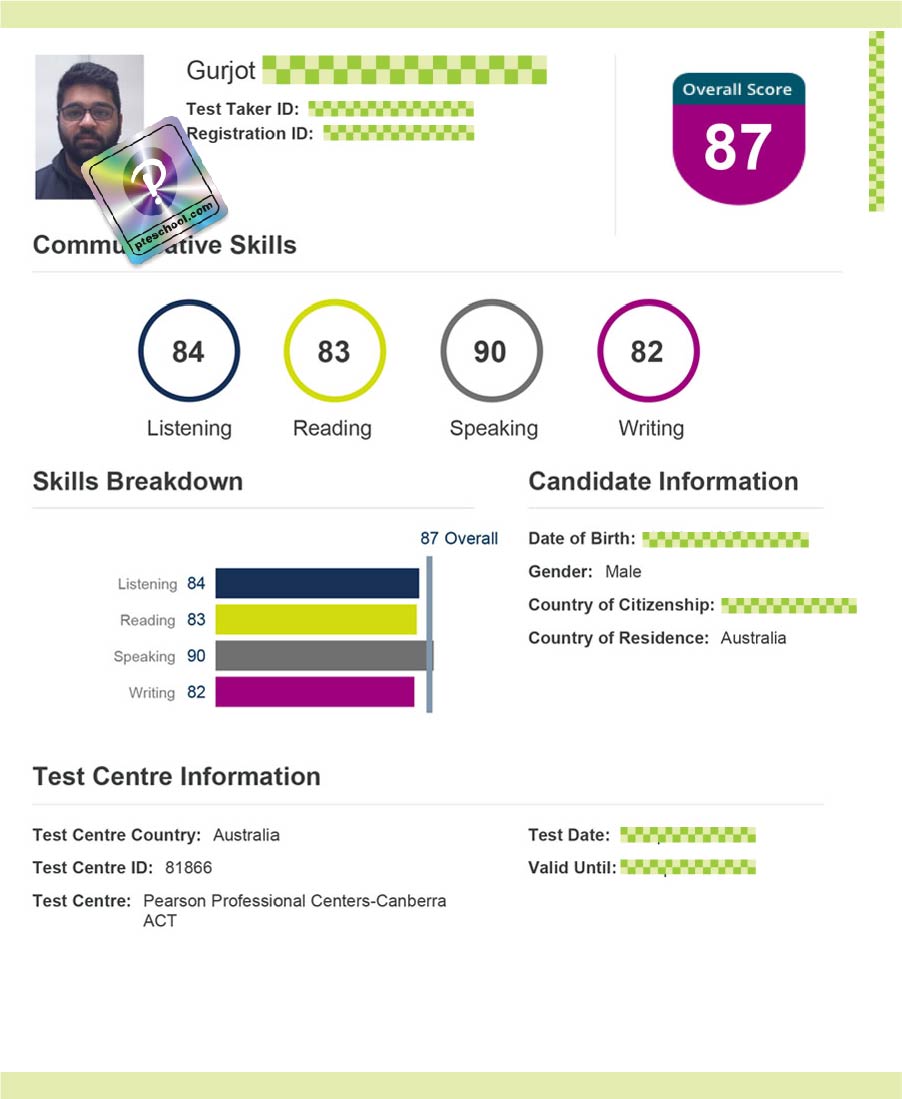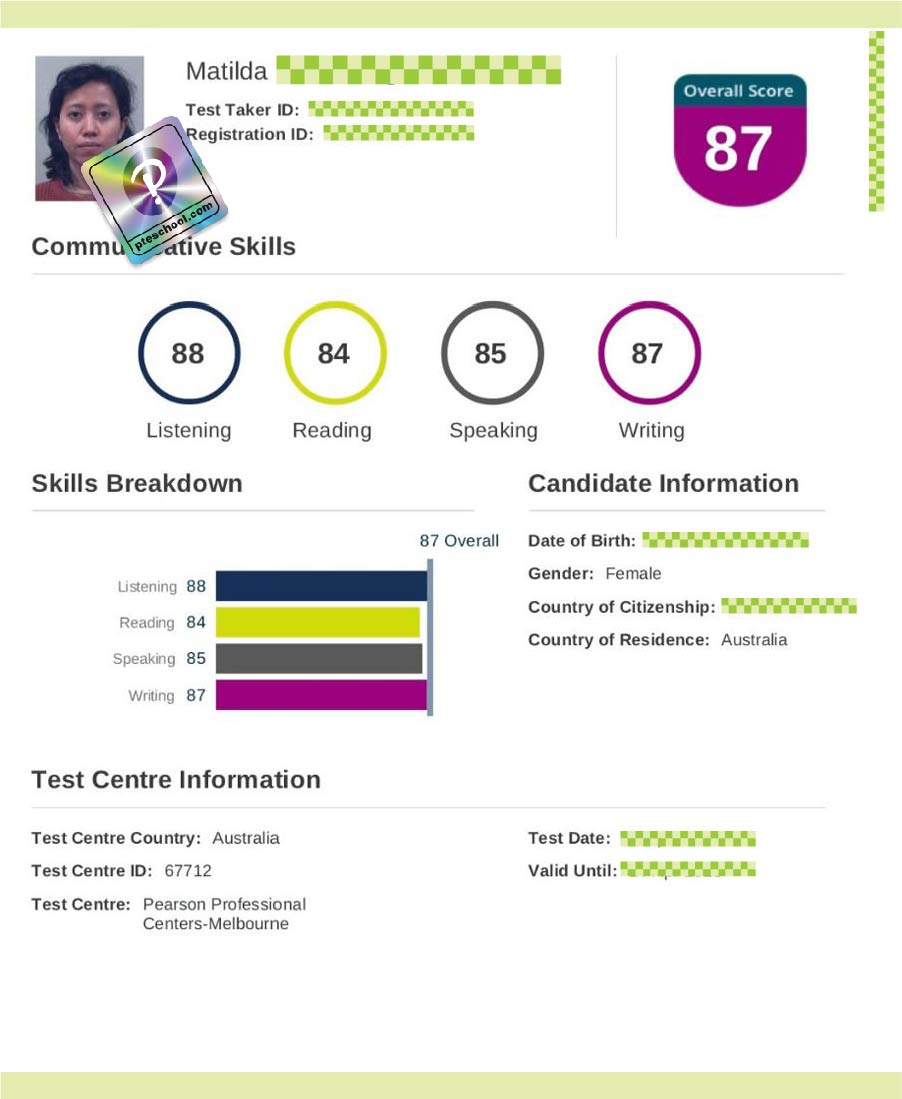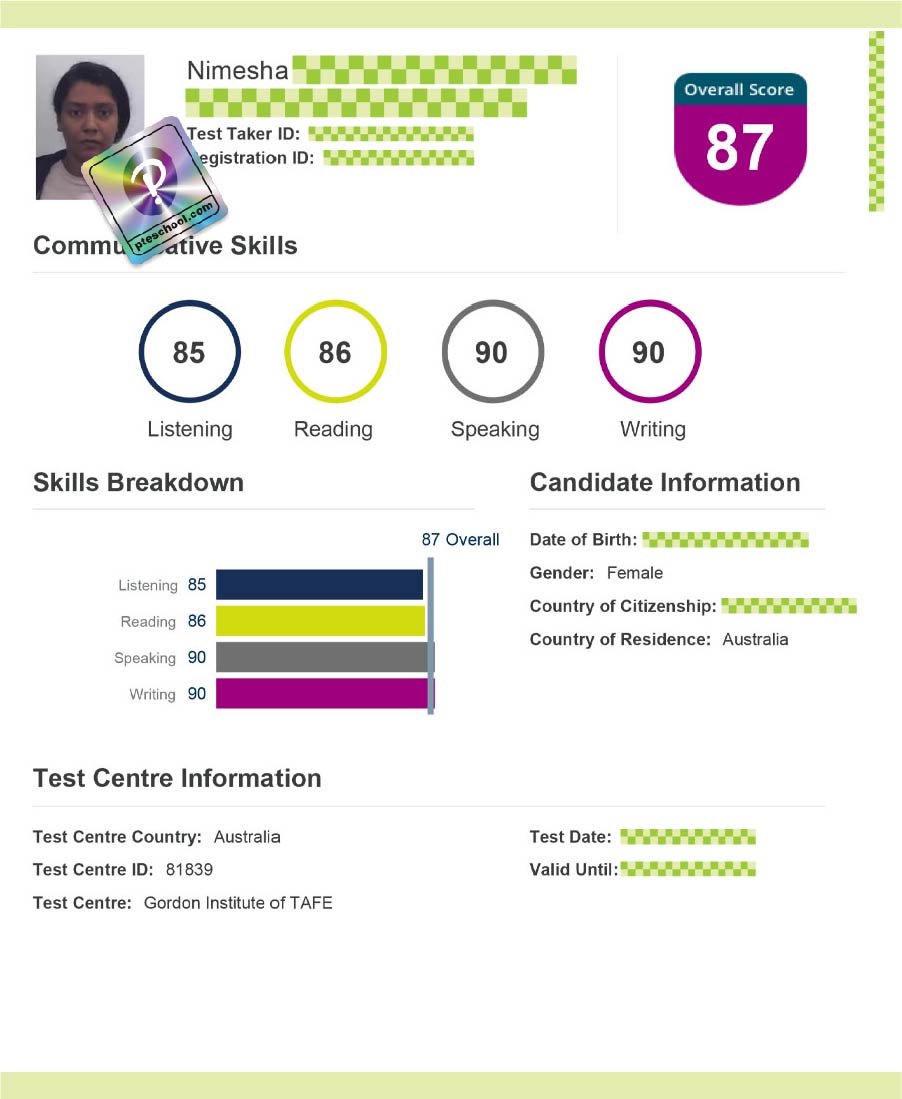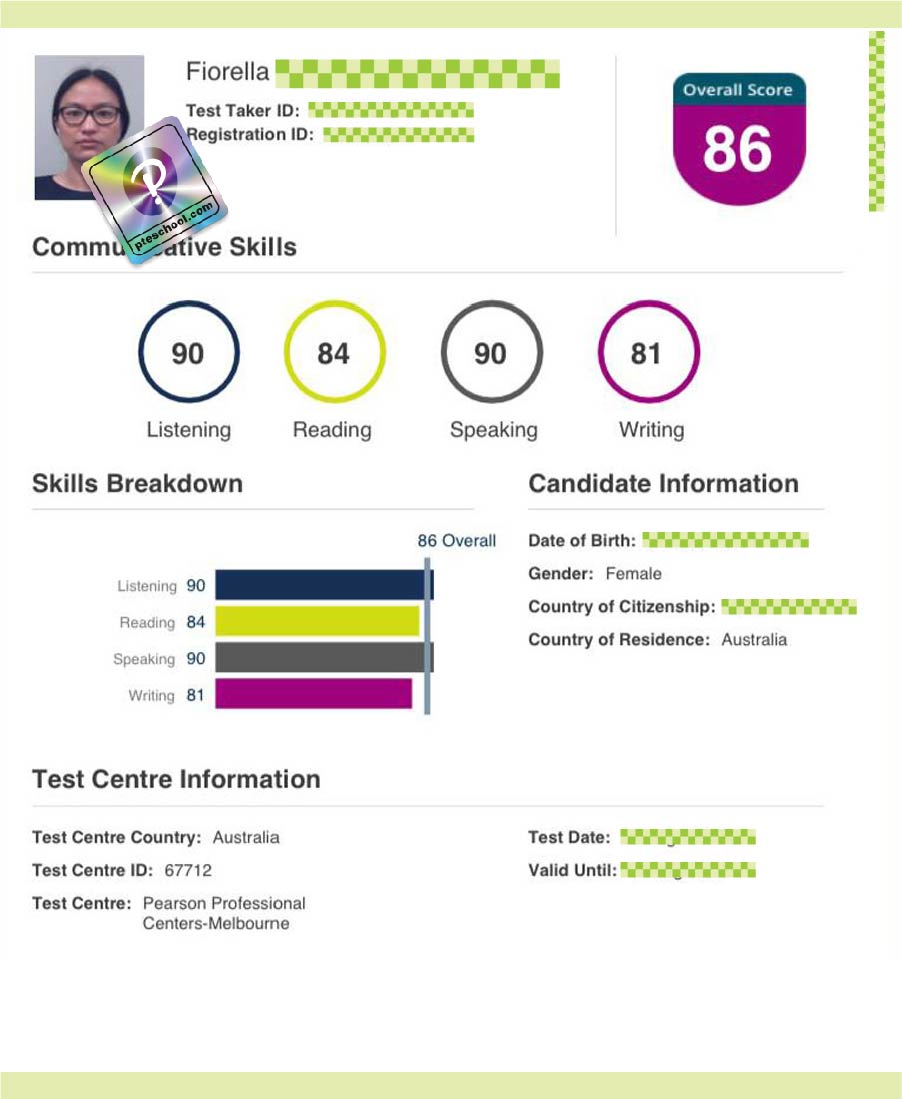
Misconceptions about writing a better summarize spoken text in the listening sections of PTE Academic tests are common among test-takers. This task, typically the first question in the listening section, involves listening to an audio clip of 60-120 seconds and writing a summary within 2-4 sentences, using 50-70 words, in 10 minutes including the audio playback.
A prevalent issue is that many test-takers focus more on individual words rather than the overall context of the audio. They often jot down random words as notes and attempt to construct sentences based on their understanding, without considering the speaker’s intended message. This approach can lead to lower scores, as it fails to accurately capture the essence of the spoken text.
Debunking the myth of SST writing
Emphasizing only words rather than the overall meaning*
*Overall meaning (context) refers to the storytelling approach or idea of the topic in the audio, rather than one’s knowledge about the SST topic.
Let’s explain
To understand this practicing method, we will be listening to a summarized spoken text audio. This audio is one-third of the full recording. While listening, we need to take notes to focus on the context. I will demonstrate this method to students. When listening to the audio, it is important to understand the main message and not just pick random words.
Our observation of how students take notes during this SST (above audio) is

Let’s highlight those words in the audio transcript.
“There are six main types of nutrients that the human body needs to stay healthy. Three of these—proteins, carbohydrates, and lipids— are needed in larger amounts than the others. Eating a balanced, varied diet is the best way to make sure your body gets all the nutrients and water it needs.”
Use of those words in SST from student’s perepective
- six main types of WHAT? human body / proteins/ carbohydrates/ nutrients/ water
- larger amounts of WHAT? human body / proteins/ carbohydrates/ nutrients/ water
- proteins, carbohydrates, & FAT (this word (fat) is not included in the audio; however, the student, who comes from a science background, holds the opinion that FAT should be incorporated here.) Remember : Keep in mind that understanding the context is not solely based on one’s knowledge of the subject.
- IS water ONE OF THE nutrients? there is so much confusion because the students focused most on WORDS
Focusing on context while note-taking
Is it possible that using those words will enable us to get the highest possible score (2 out of 2) in the content section? If a word is not used correctly in the SST, it cannot be a content word. As an illustration, the speaker mentioned the following sentence during the audio recording.
The red cat is under the black car.
In cases where students only give attention to individual words, they might construct the sentence in this manner without knowing the meaning of “CAT” and “CAR.”
The red car is under the black cat.
The question that we are currently addressing is: will students receive full marks for the content in SST if they have included all the exact words as mentioned?
The answer is definitely no. Students will not score well in the content if the context is changed. It is meaningless to convey the message in a different way. Playing with words without focusing on the context poses a high risk of not getting the best discount in our content sections. This will have a drastic impact on our listening and writing sections. To achieve a superior score of 79 or a proficient score of 65, we should not take this risk. It is important to understand the content, focus on writing sentences based on the context, and understand the objectives and storytelling techniques. Randomly collecting words from the audio and creating sentences without any connection to the audio will not help us explain the text.
Low vocabulary score from lack of content words
If students are unable to achieve high scores in content, how can they expect to excel in vocabulary? Occasionally, jotting down the maximum words can contribute to a 2-mark vocabulary grade. Unfortunately, the majority of students are not performing well when it comes to vocabulary scores.
Mastering correct spelling while typing
The biggest issue when trying to type the right words is always the concern about spelling. In our everyday lives, we tend to prioritize autocorrect. Whenever we type on our smartphones or computers, we commonly rely on tools like Google Docs, Microsoft Word, or Grammarly to detect and correct our errors. However, it is not feasible for the PTE exam. If we examine the words extracted from the summarized spoken text audio, it becomes evident that there are three words that may have spelling errors.
- PROTEINS – El or
IE(do you know when to use EI in words?) - NUTRIENTS – IE or
EI(do you know when to use IE in words?) - CARBOHYDRATES – Y or
I| ES orS(do you know how to make plural with ES or S?)
So, spelling is the top concern.
We know that spelling plays a significant role in earning 2 marks in the SST exam. A single spelling error will cause a deduction of one point, and if students make two spelling mistakes, they will receive a score of zero for spelling in the Summarize Spoken Text.
If the first 15 seconds can threaten spelling mistakes in SST, what about the entire audio?
The misconception about the use of template in SST
Templates can be useful for reaching the required word count of 50-70 words. However, they do not improve content, vocabulary, or spelling scores. Templates only help with achieving the two marks for word count, out of the total ten marks available for the task.
Nowadays, students tend to write 15-20 words as key-words while listening to the audio and taking notes for SST. They use a pre-made sentence structure template and put the key-words in it, without concerning themselves with whether the words are used correctly to tell the story of the SST. Many students mistakenly think that they have captured the key contents with these words, but in reality, they are just writing down any words they hear and can remember on their erasable notebooks. They are not confident whether these words are actually the key contents. As a result, they don’t pay attention to how the speaker is describing the academic topic in the audio during the process of story-telling or lecturing.
Many people believe that templates can greatly improve scores, but this idea is illogical and absurd. Instead, we recommend focusing on understanding the audio content, identifying key words, and accurately conveying the speaker’s message. Students who understand the audio well often write 80-90 words and struggle with reducing their word count.
We suggest not relying on templates and instead using 10-12 words to improve logical cohesion. Focus on content, relevant vocabulary, spelling, and grammar. Templates do not help achieve higher scores in summarize spoken text tasks, so we advise against using them.
Our major challenge as a PTE trainer!
As PTE trainers, we face a significant challenge in ensuring our students’ optimal performance in the Summarize Spoken Text task. The primary objective is to help students understand how to achieve maximum scores out of 10. However, relying solely on templates is not an effective approach. Instead, we must focus on providing comprehensive feedback to enhance their performance.
One of the main issues we encounter is the prevalence of online practice portals. While these platforms are popular among students, the scores they generate are often inaccurate and fail to provide a true reflection of the student’s abilities. This discrepancy can lead to a false sense of confidence and hinder genuine improvement.
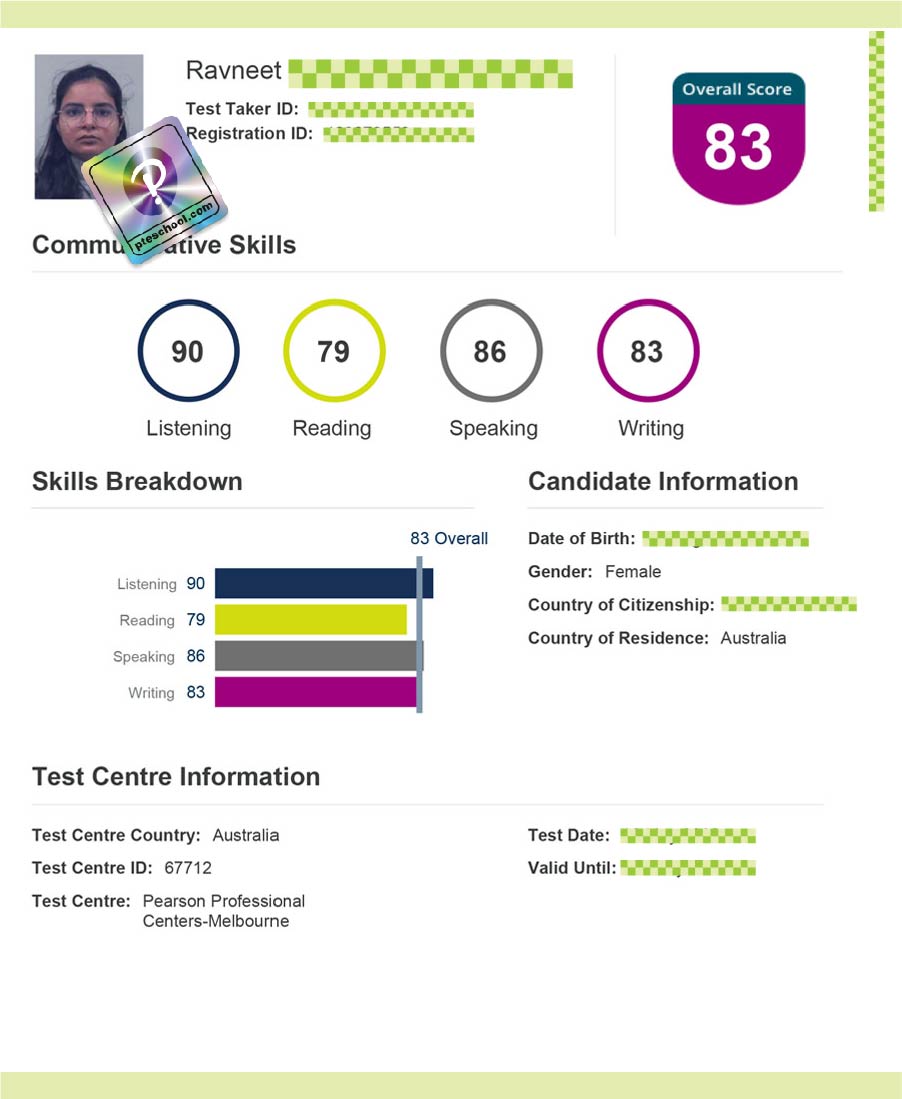
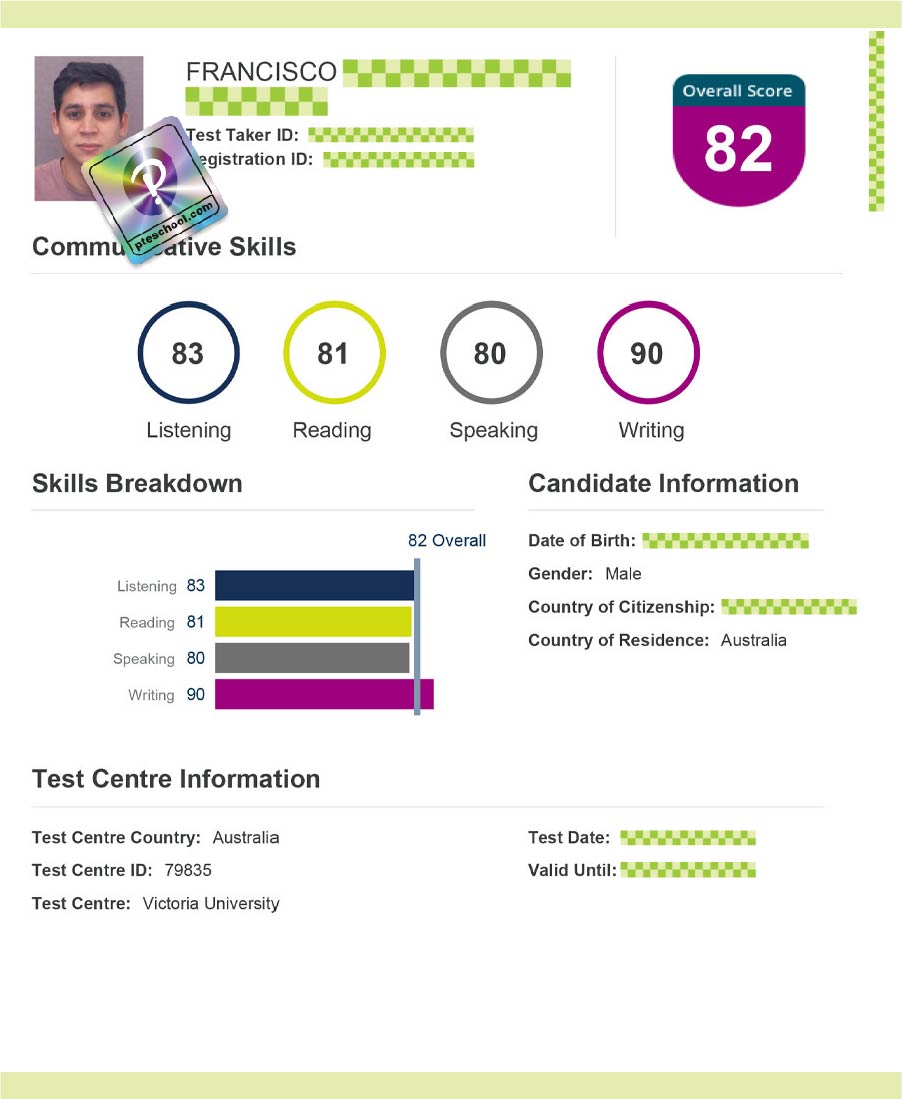
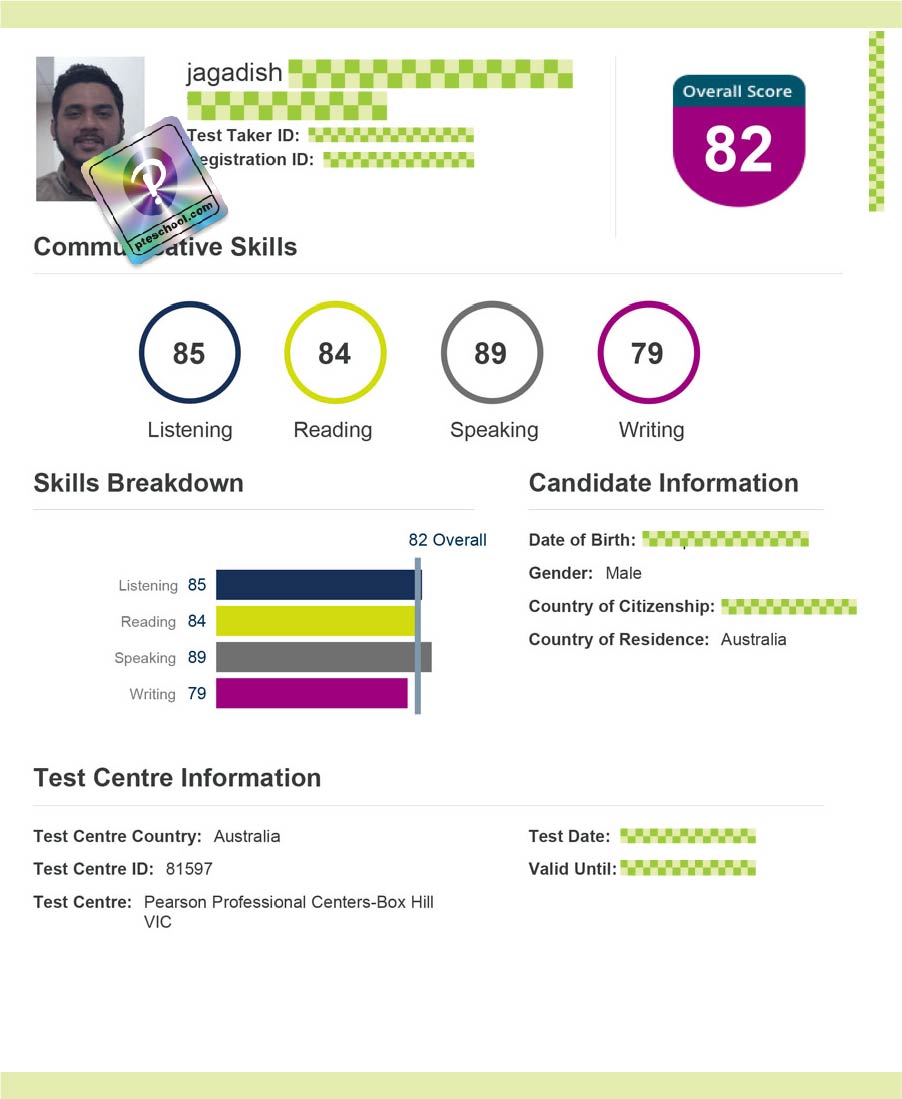
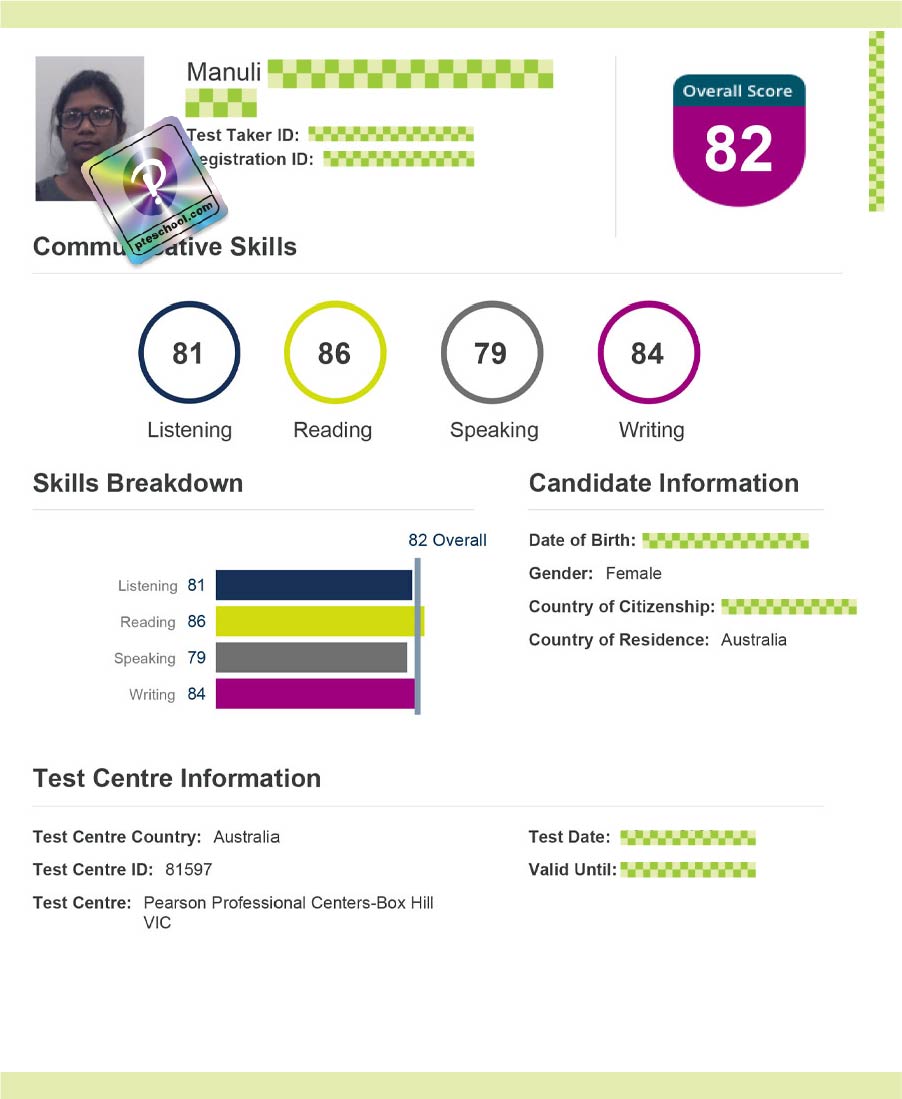
Our goal as trainers is to help students achieve scores of at least 8 or 9 out of 10 in this task. By providing proper feedback, we can boost their confidence and improve their performance in both the listening and writing components of the PTE exam, as the Summarize Spoken Text task contributes to both these scores.
The key to success in PTE training lies in offering precise, tailored feedback rather than relying on automated scoring systems. By focusing on individual student needs and addressing specific areas of improvement, we can help our students achieve their desired scores and excel in the Summarize Spoken Text task.
Concentrating on grammar when proofreading
Another aspect that affects scoring is grammar, as a lack of grammar knowledge can greatly impact students’ listening and writing scores on the SST.
If you’re looking to improve your grammar skills in PTE, We offer free classes that you can attend. Please feel free to email us at hello@pteschool.com.
We should take a look at the picture where our trainer has given student feedback on how to improve their grammar score in Summarize Spoken Text practice.