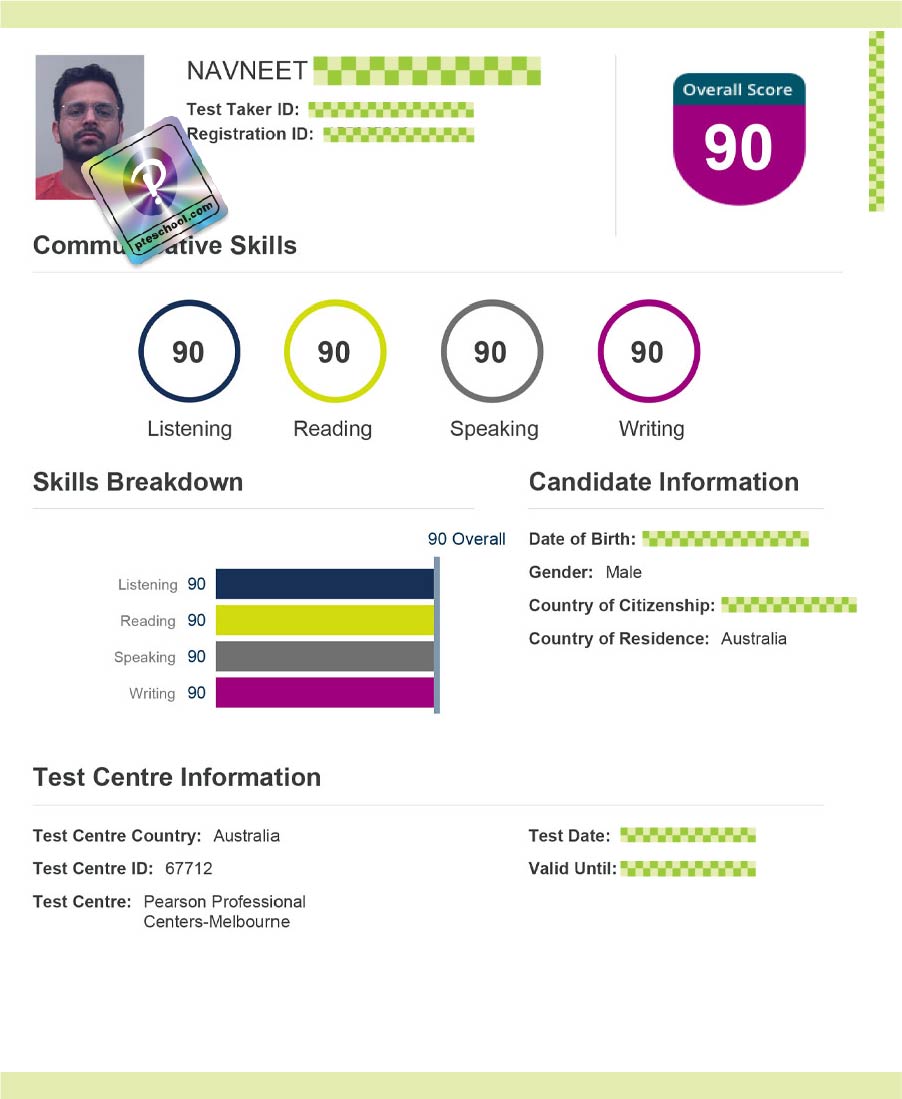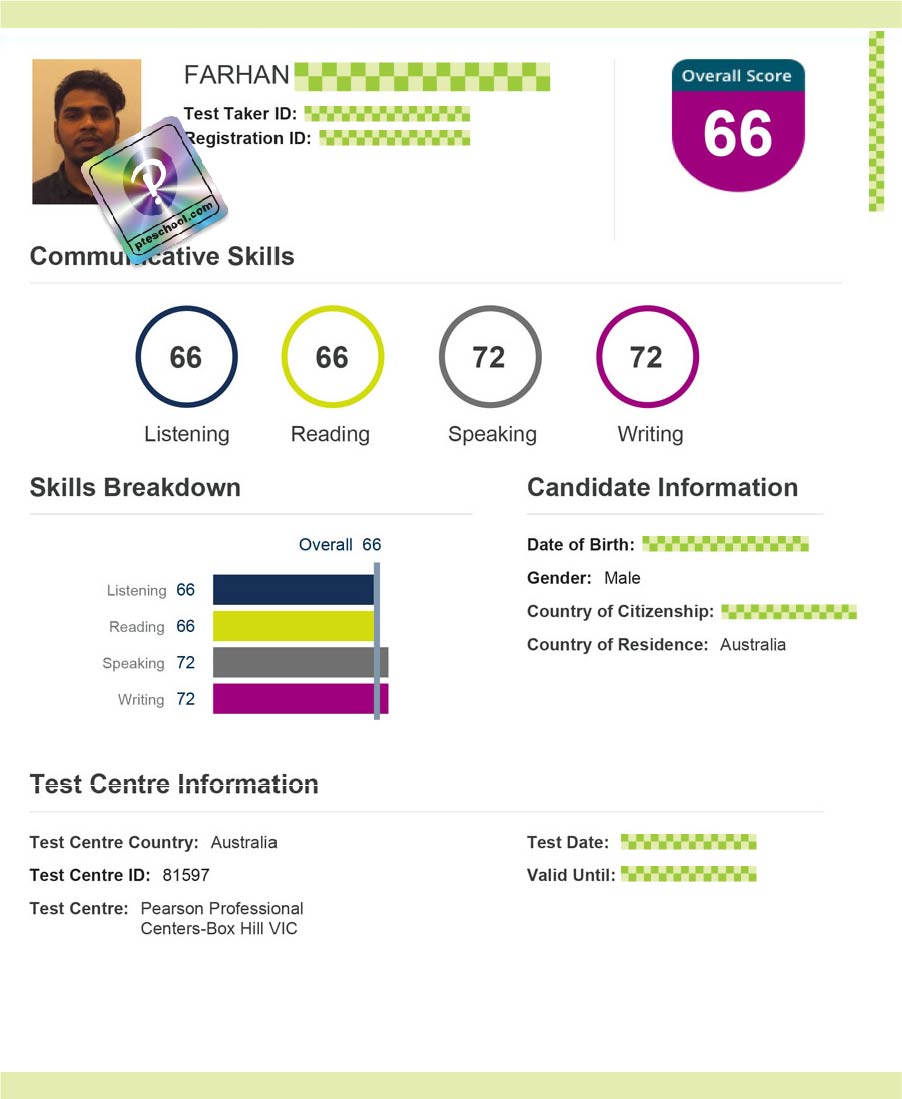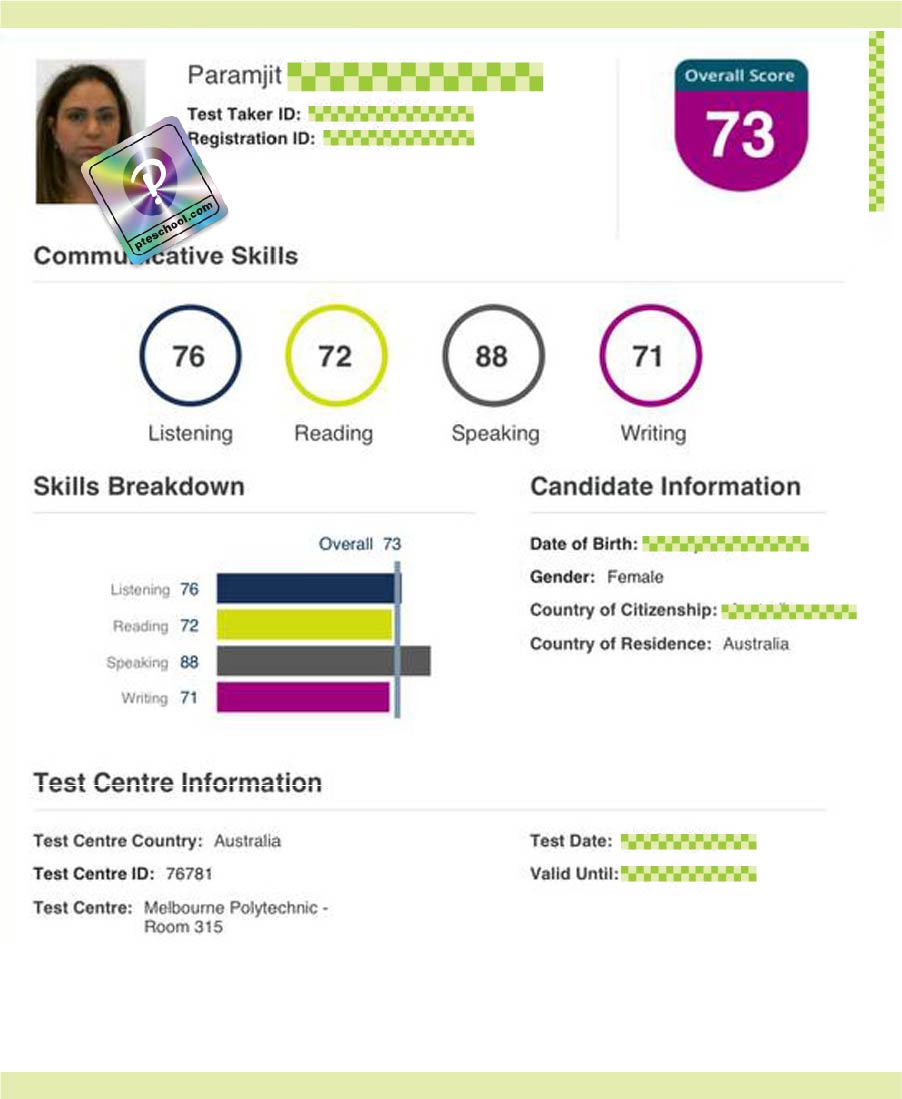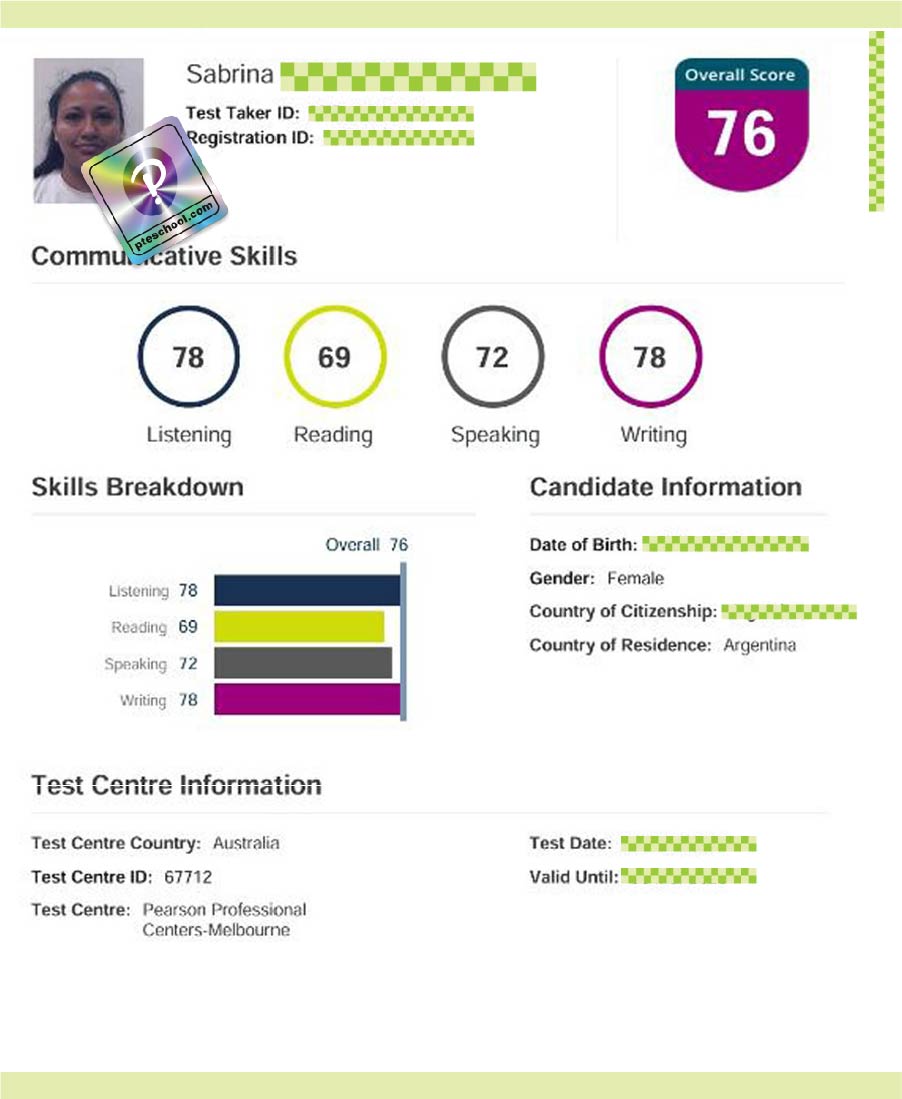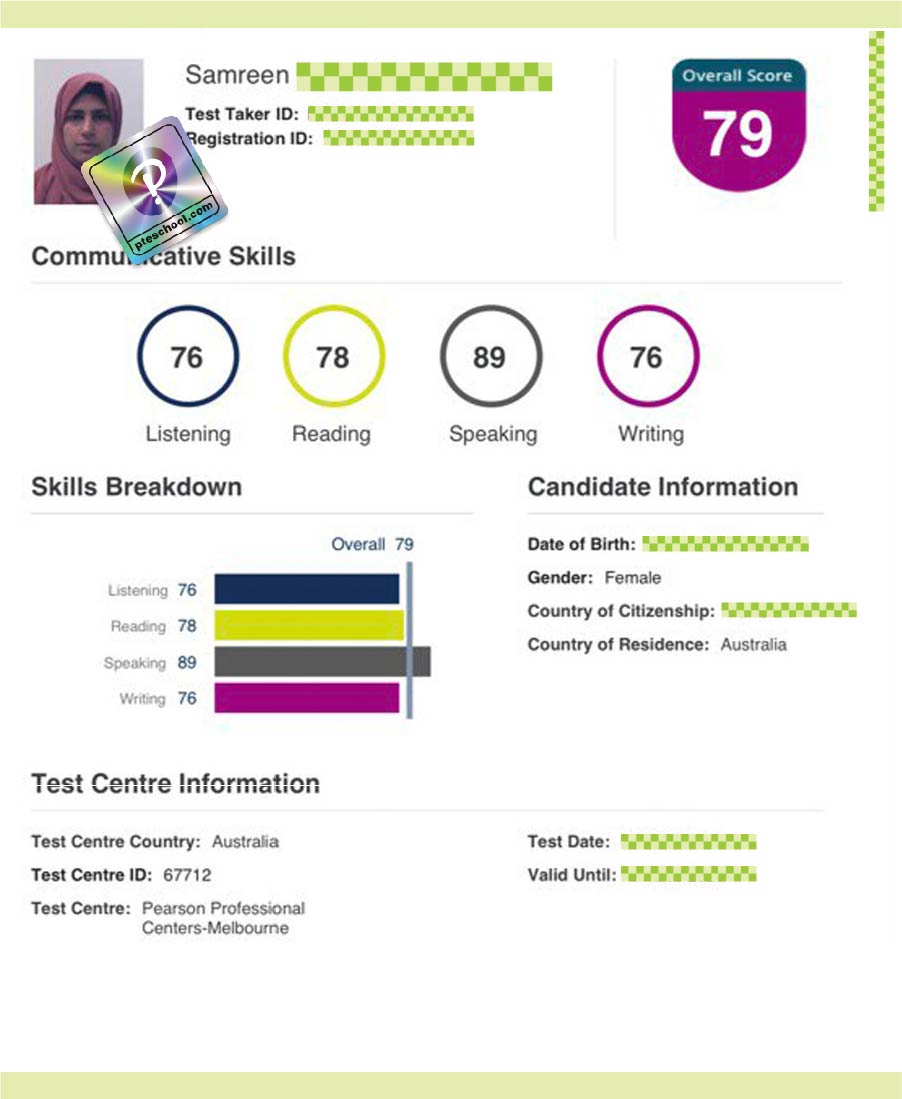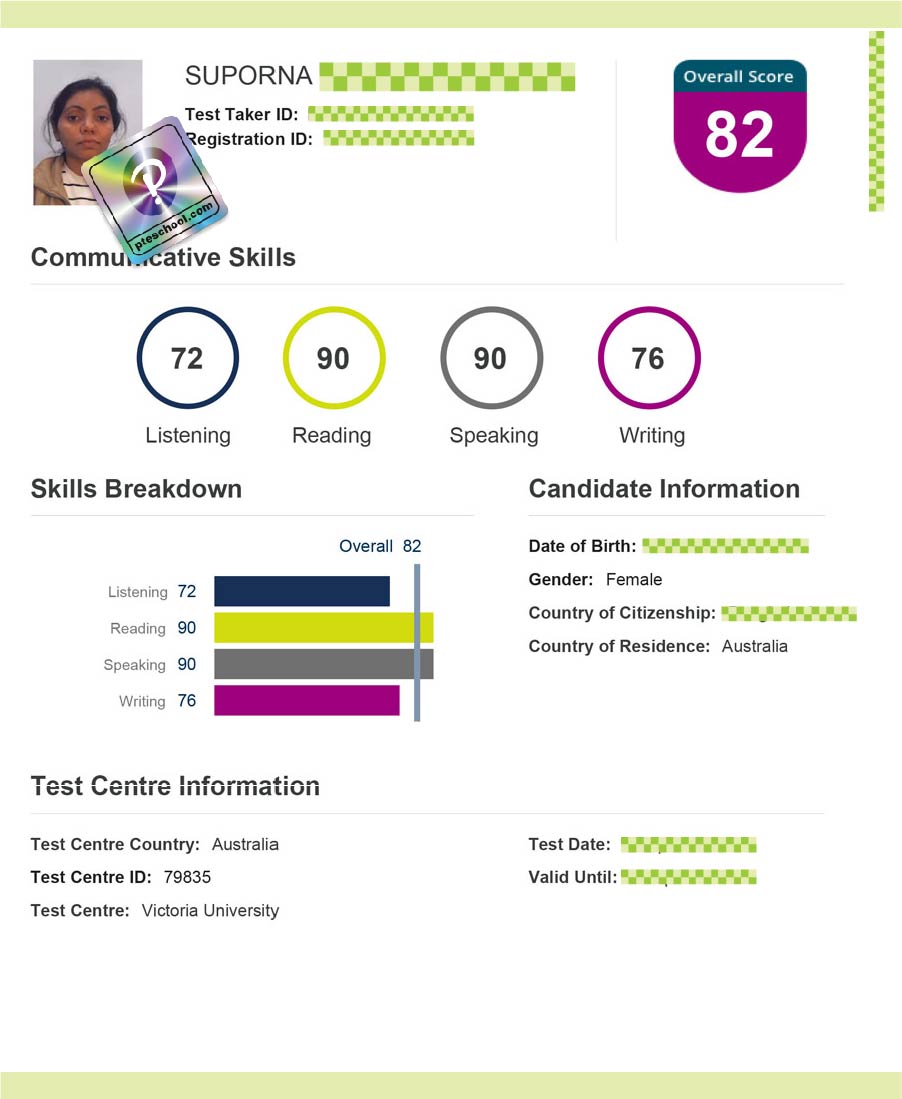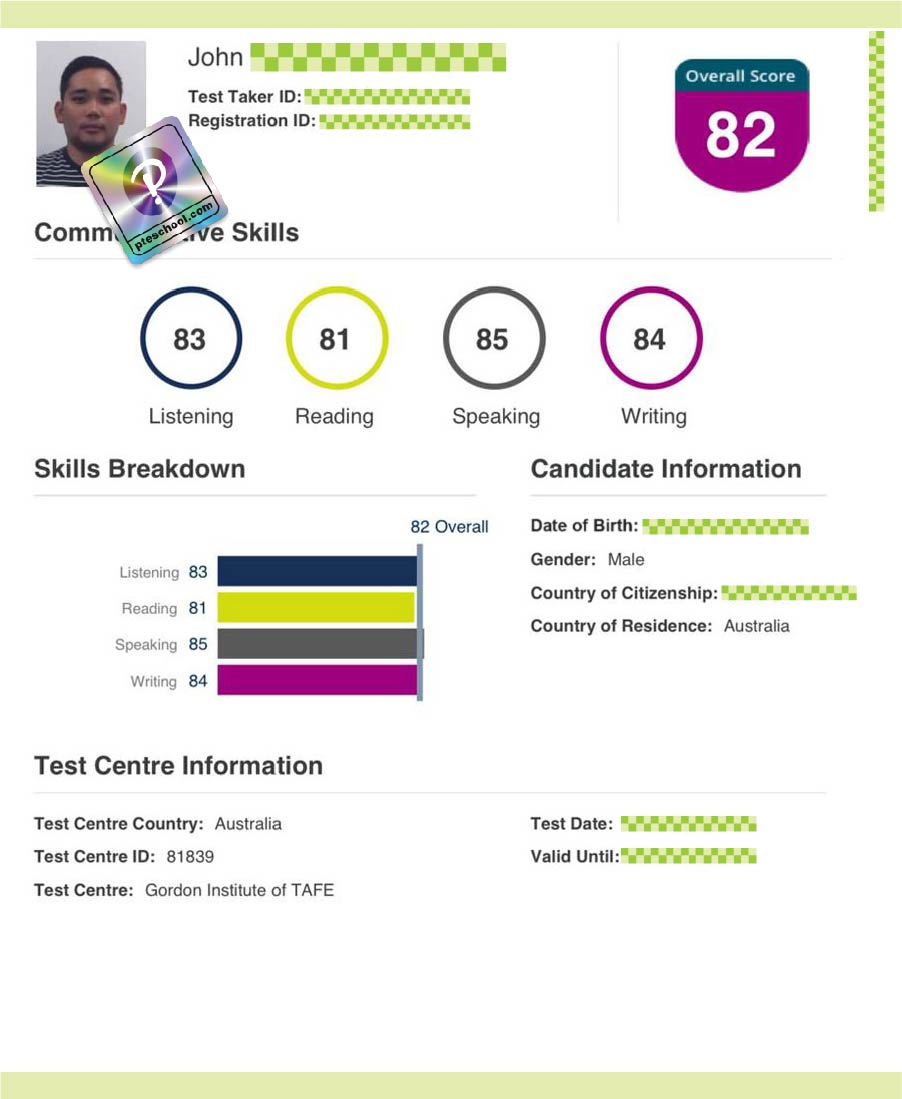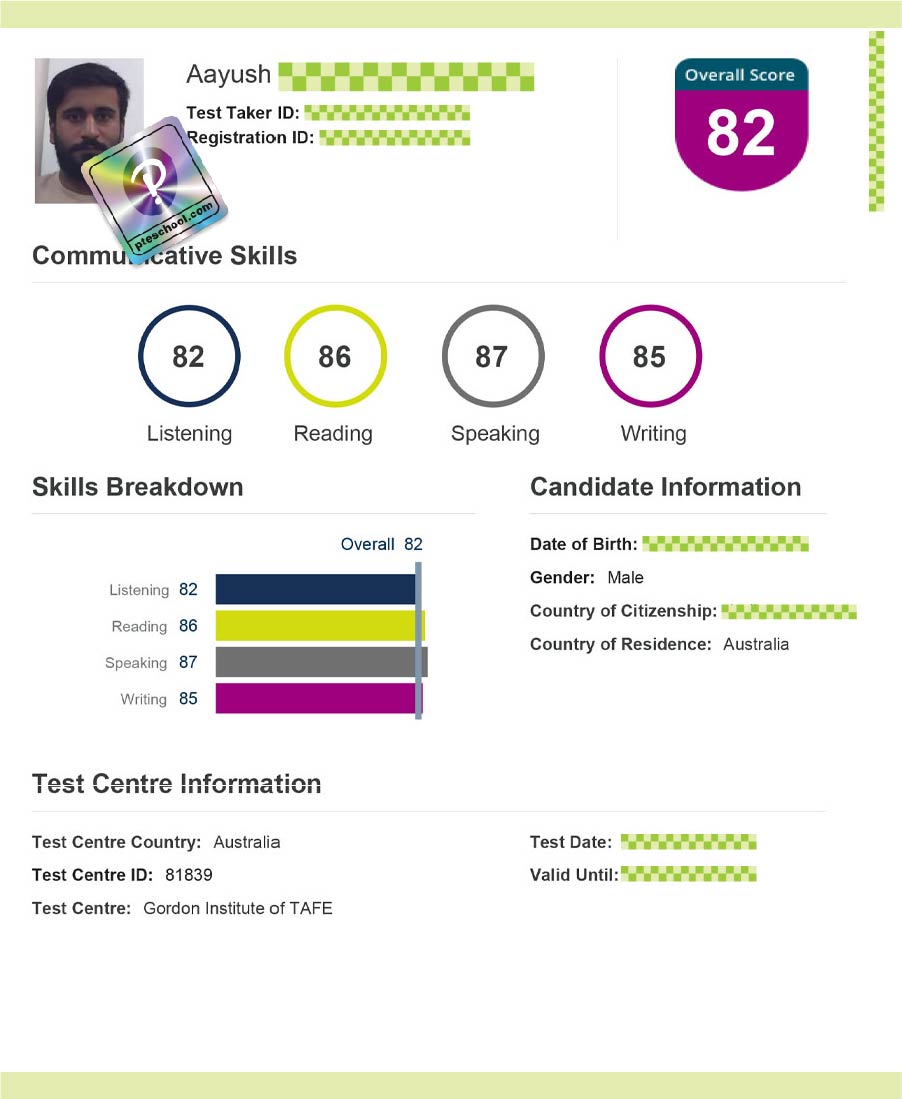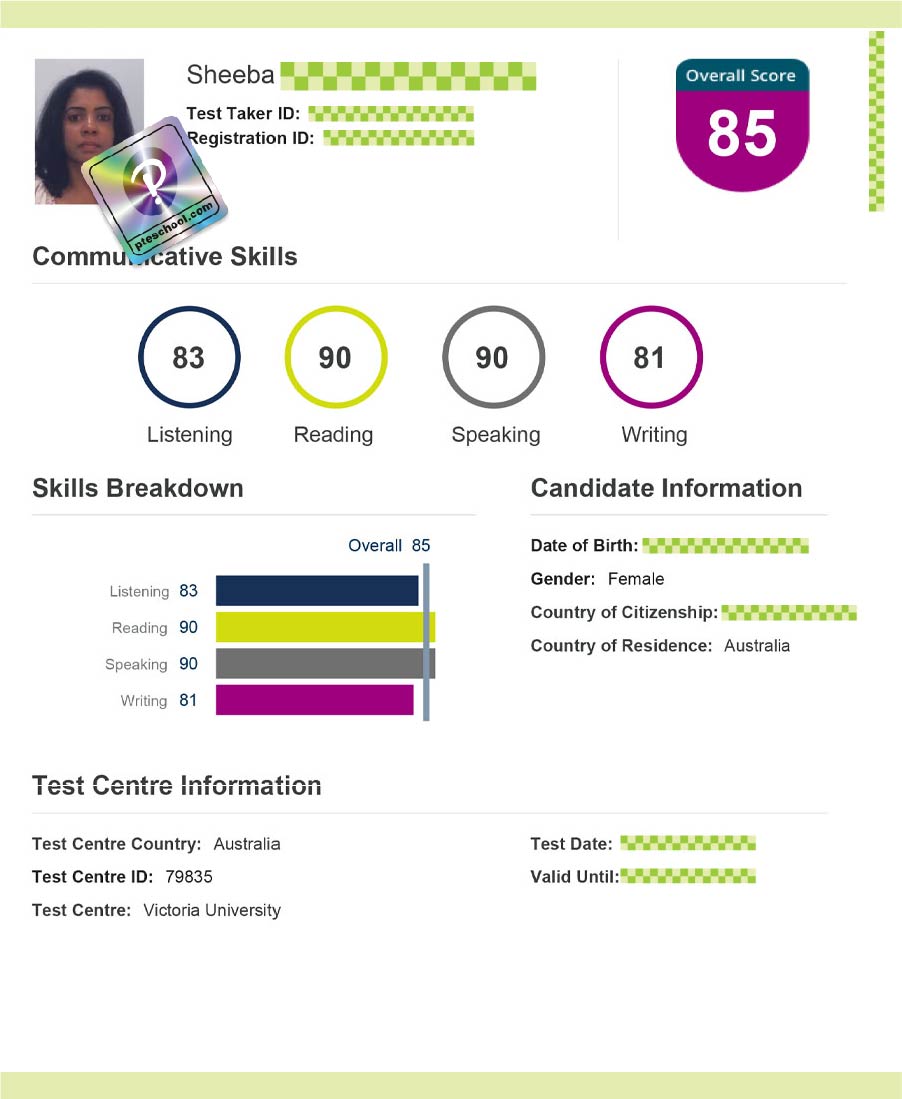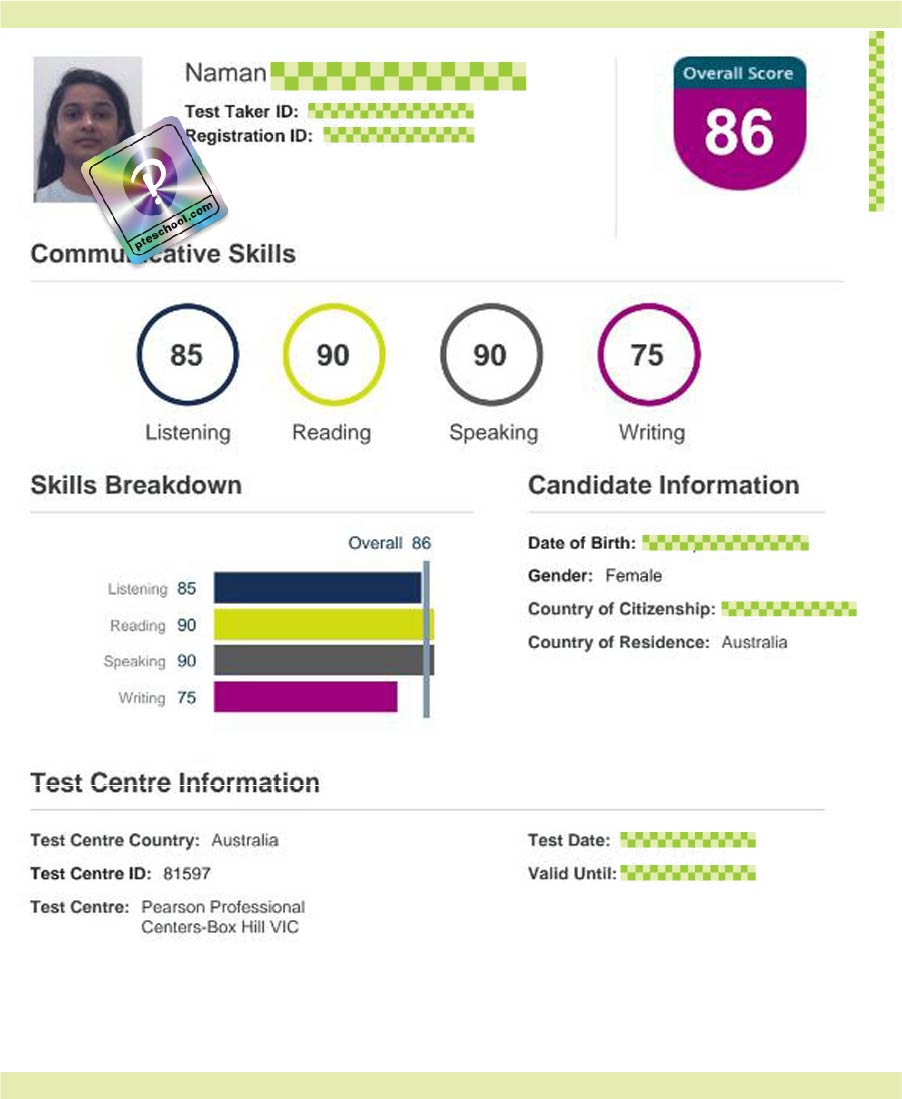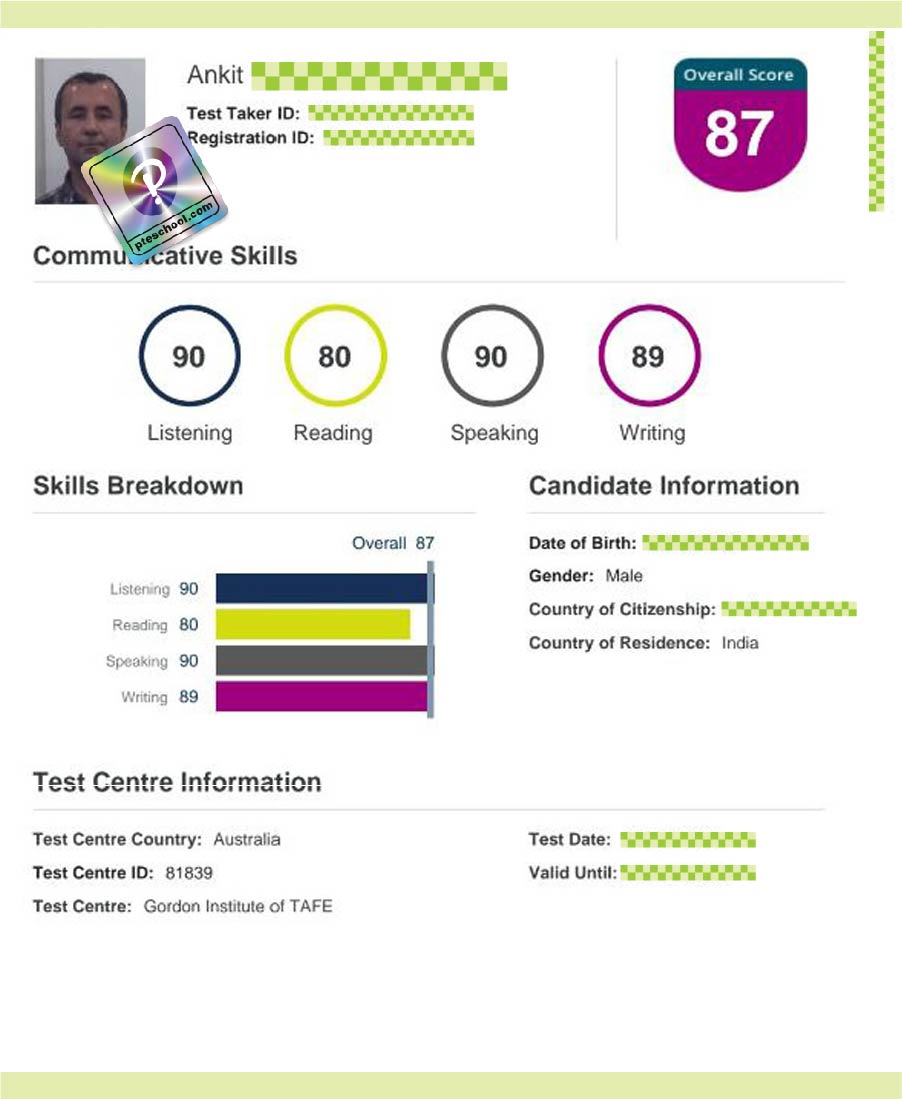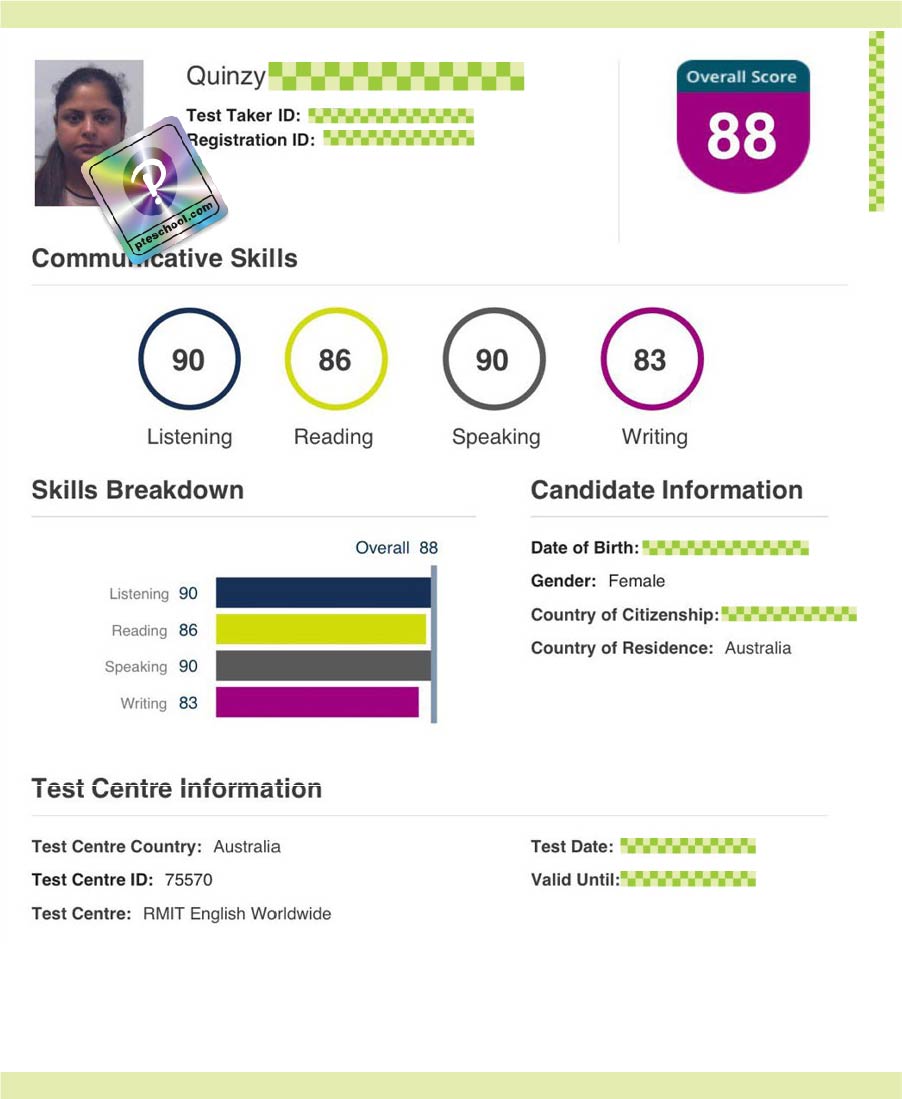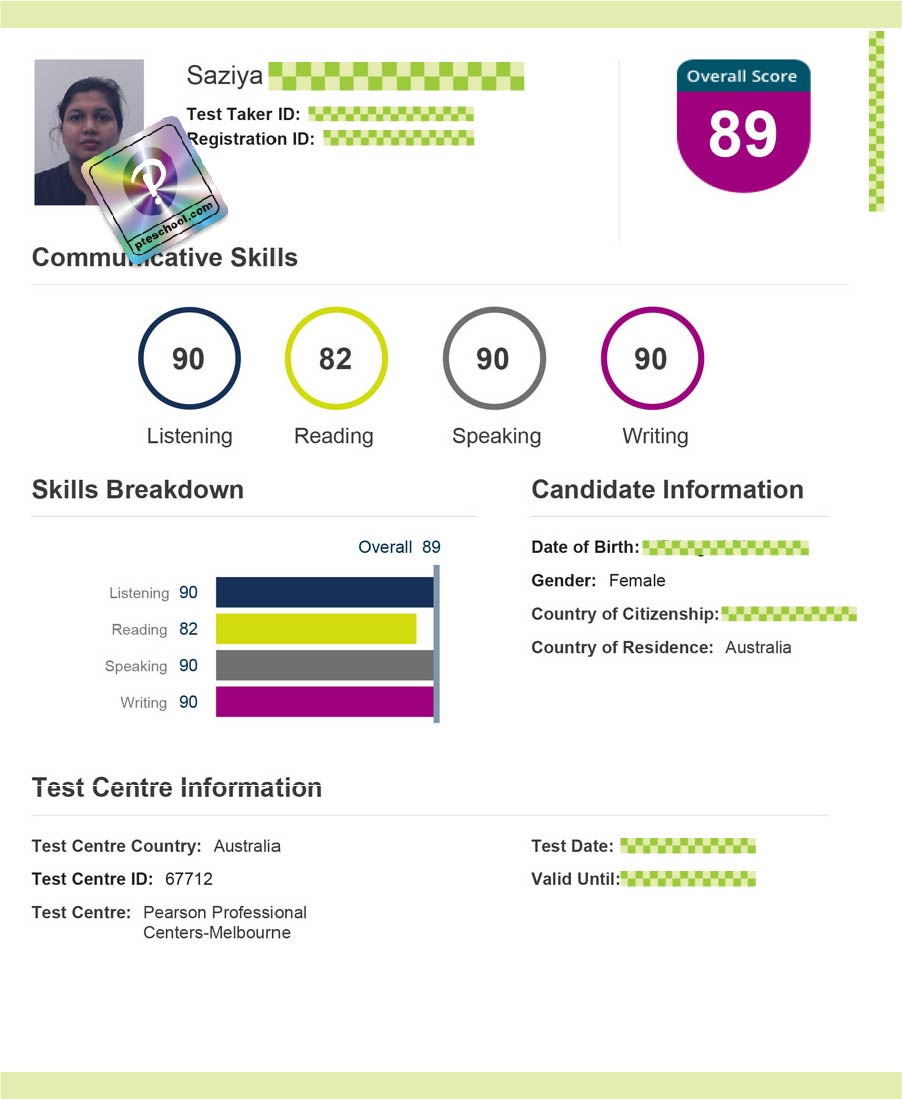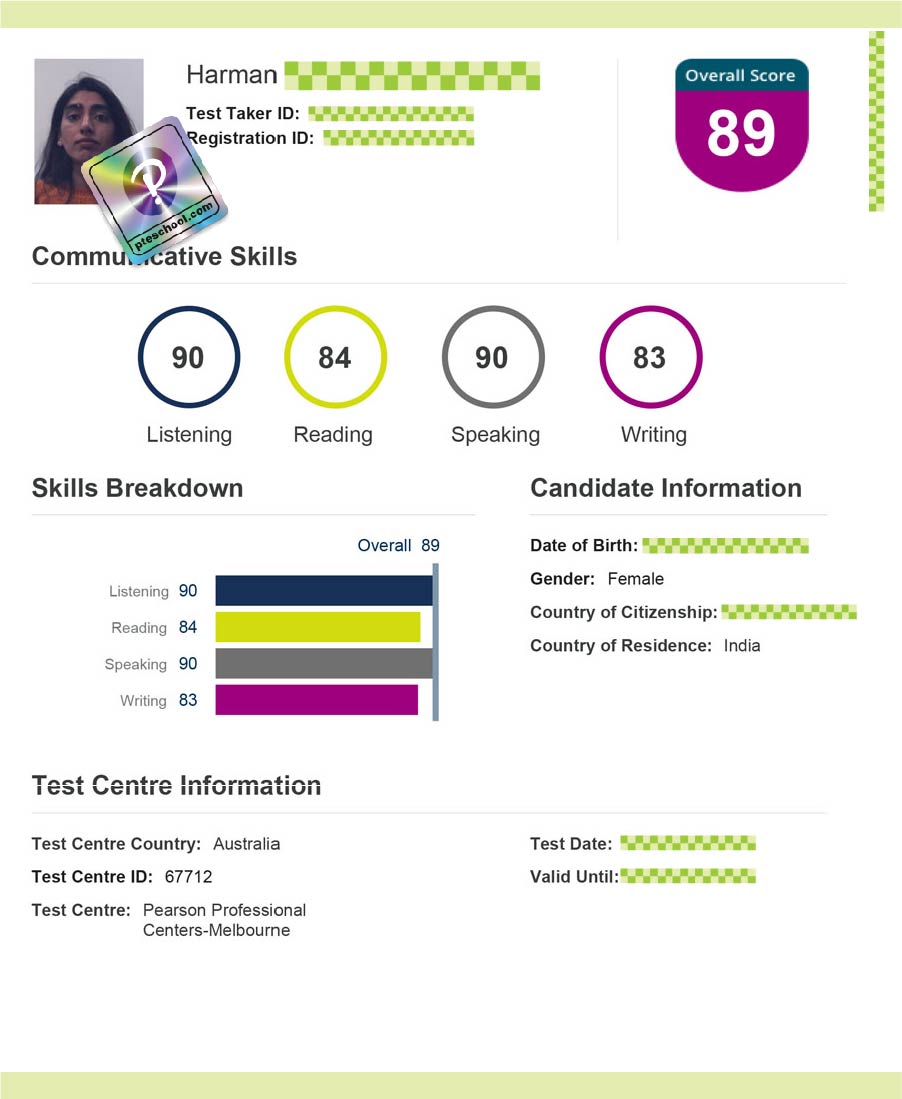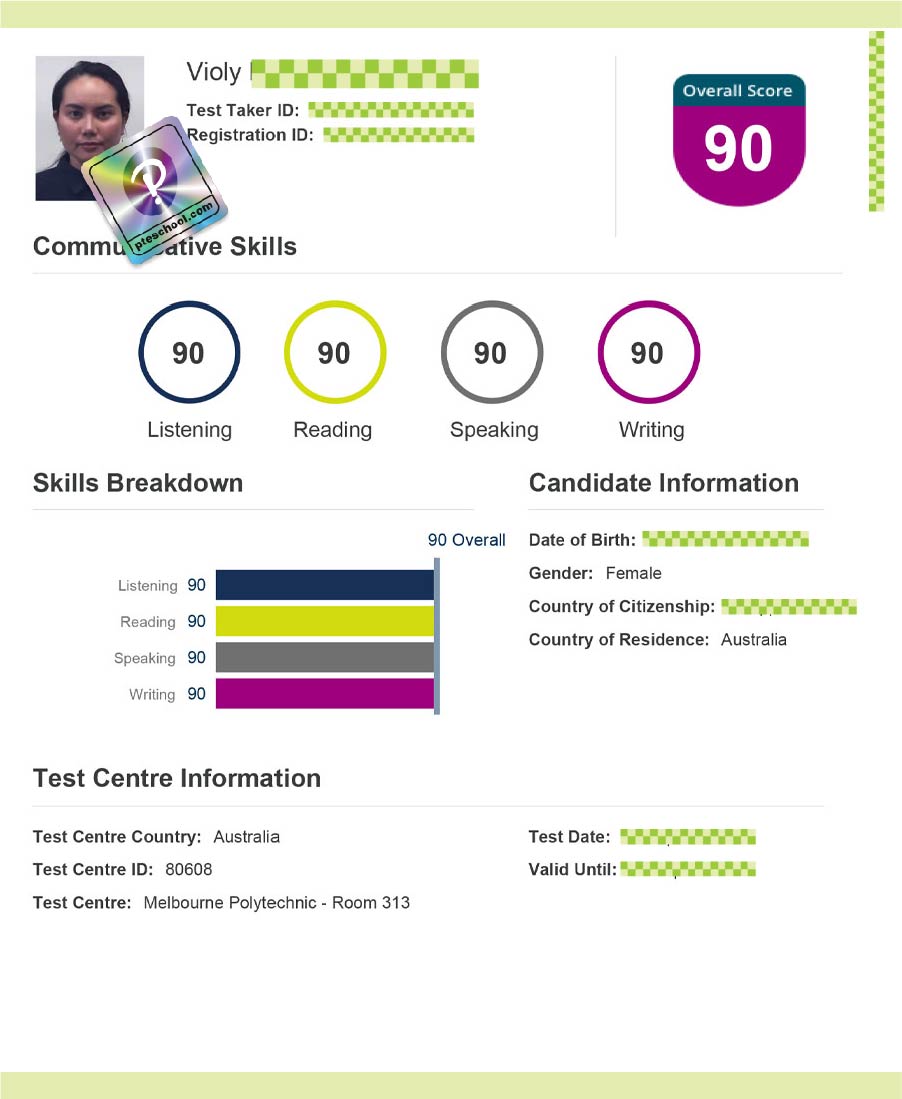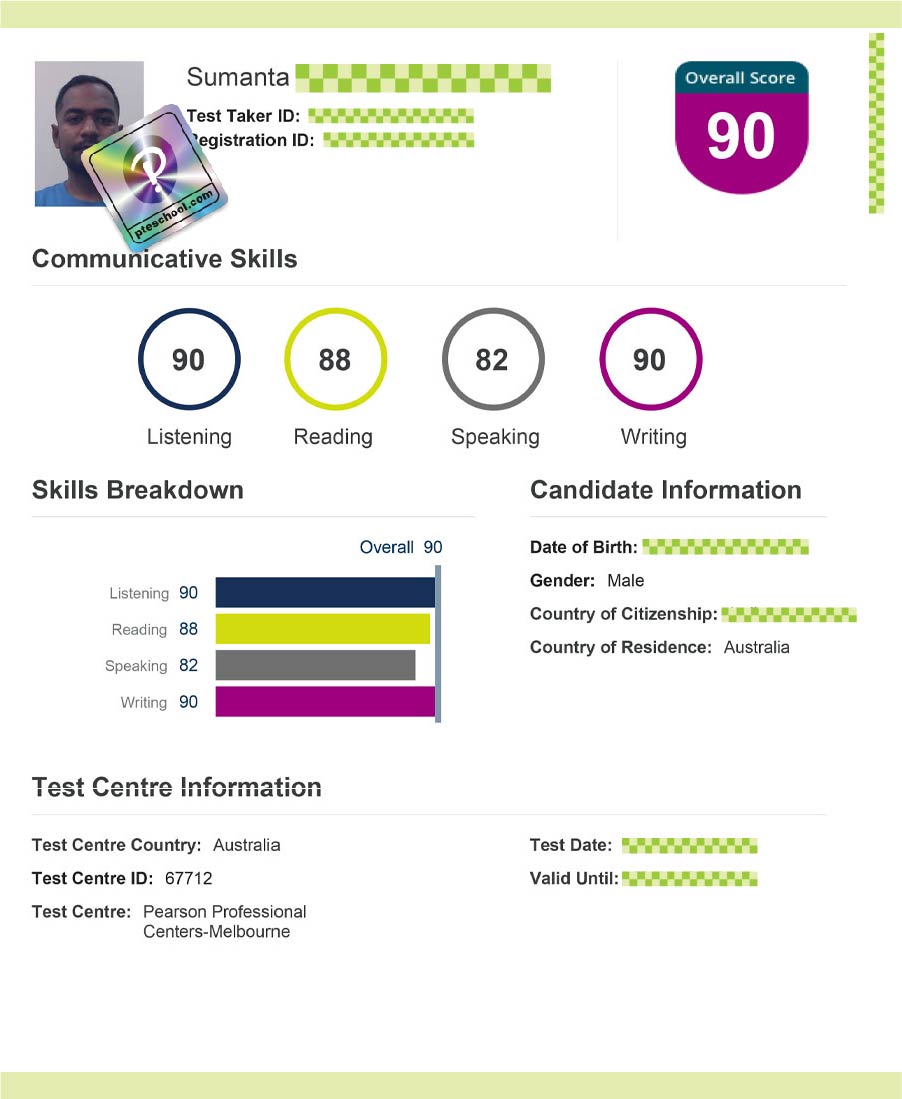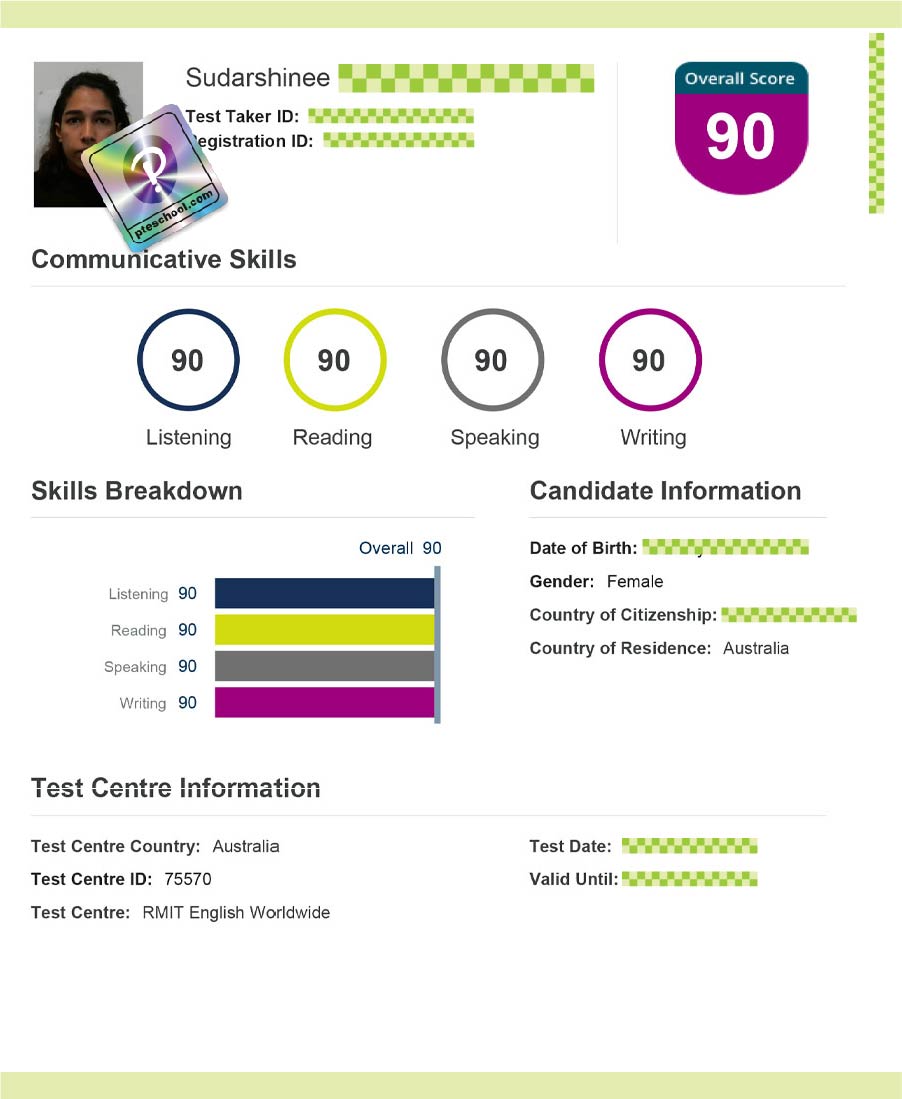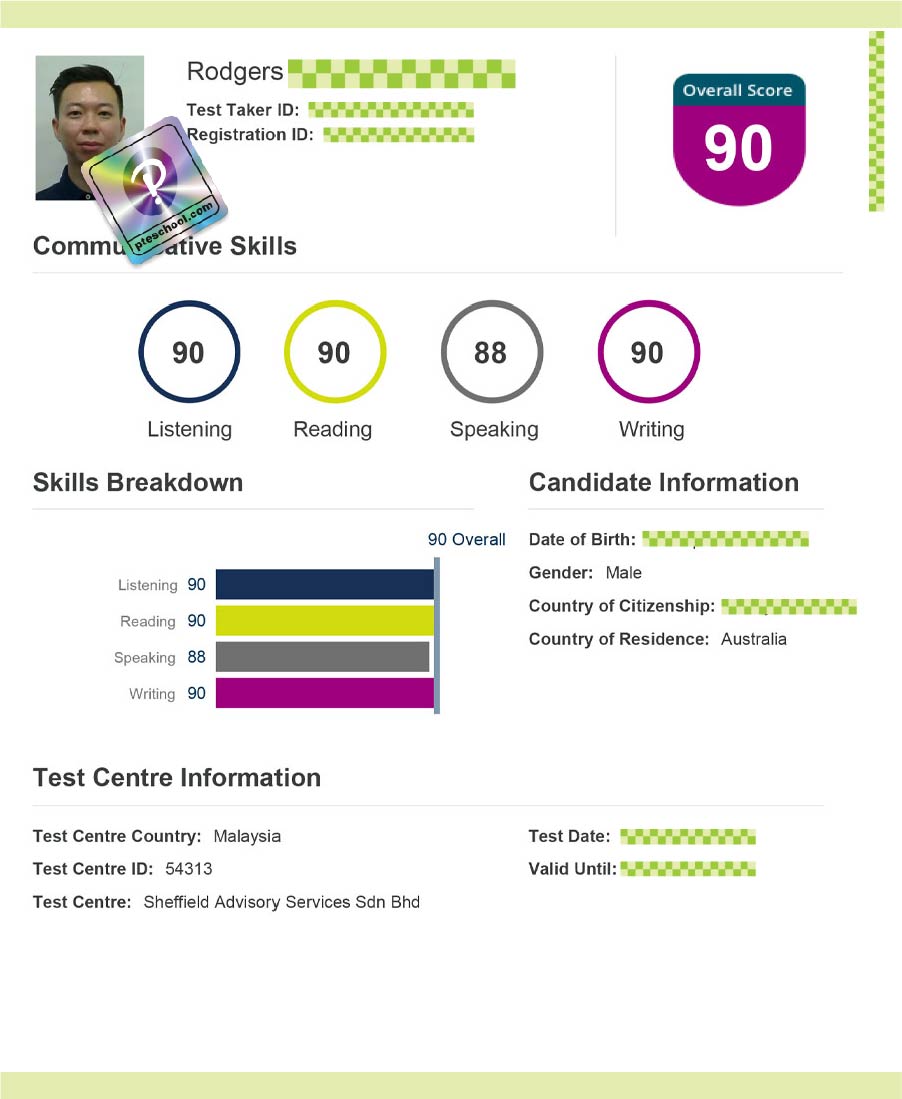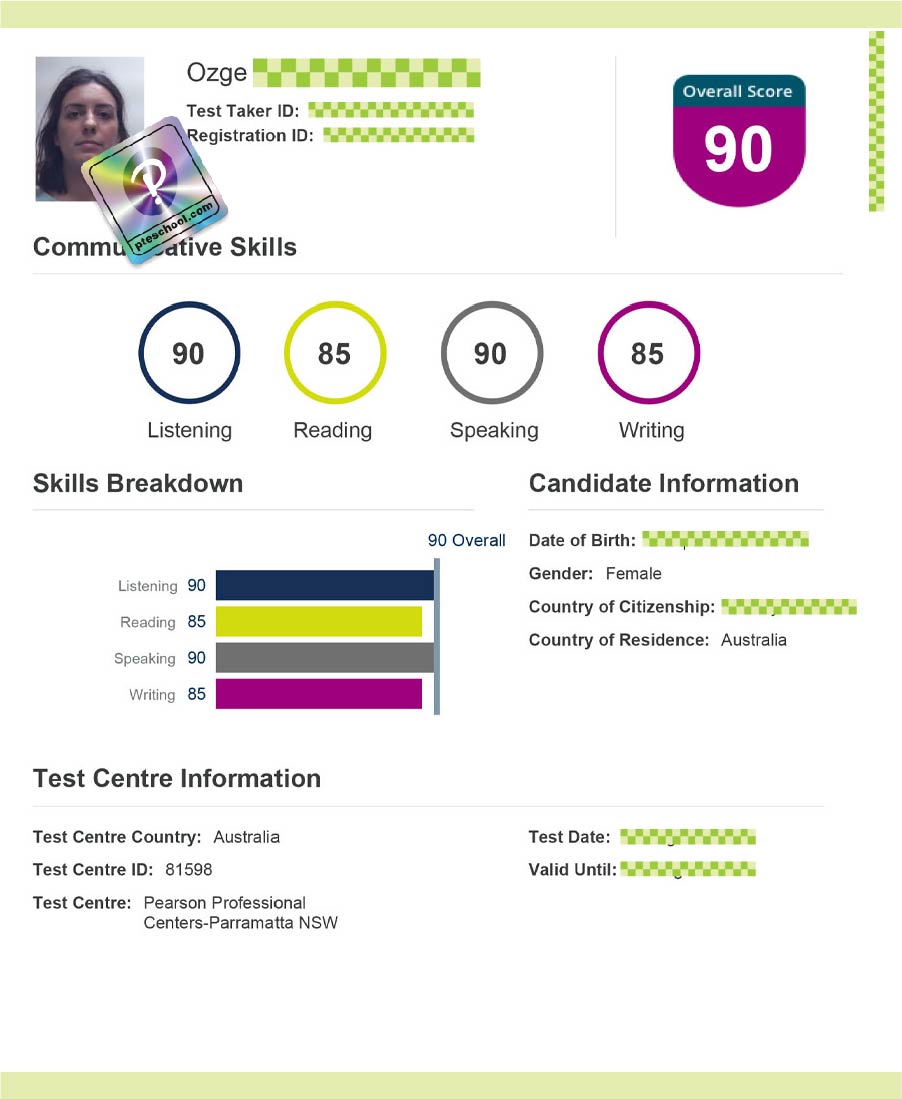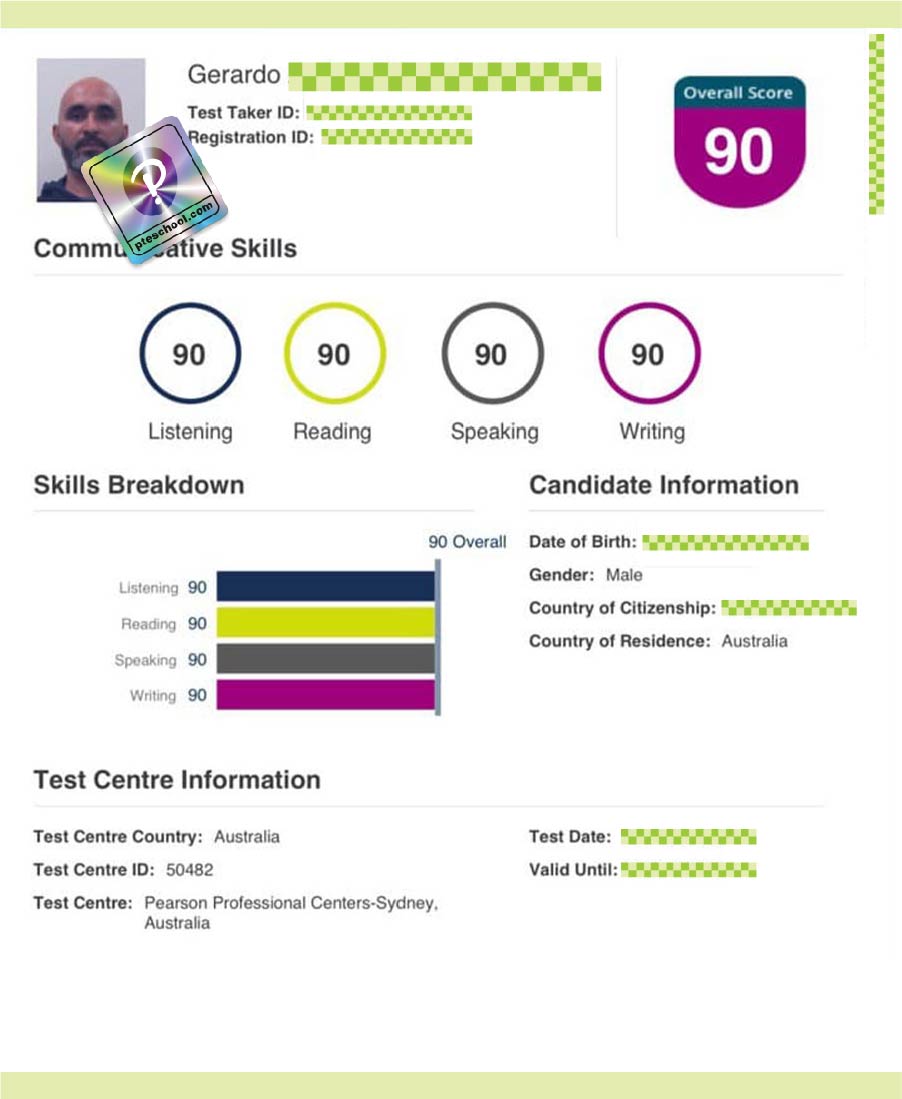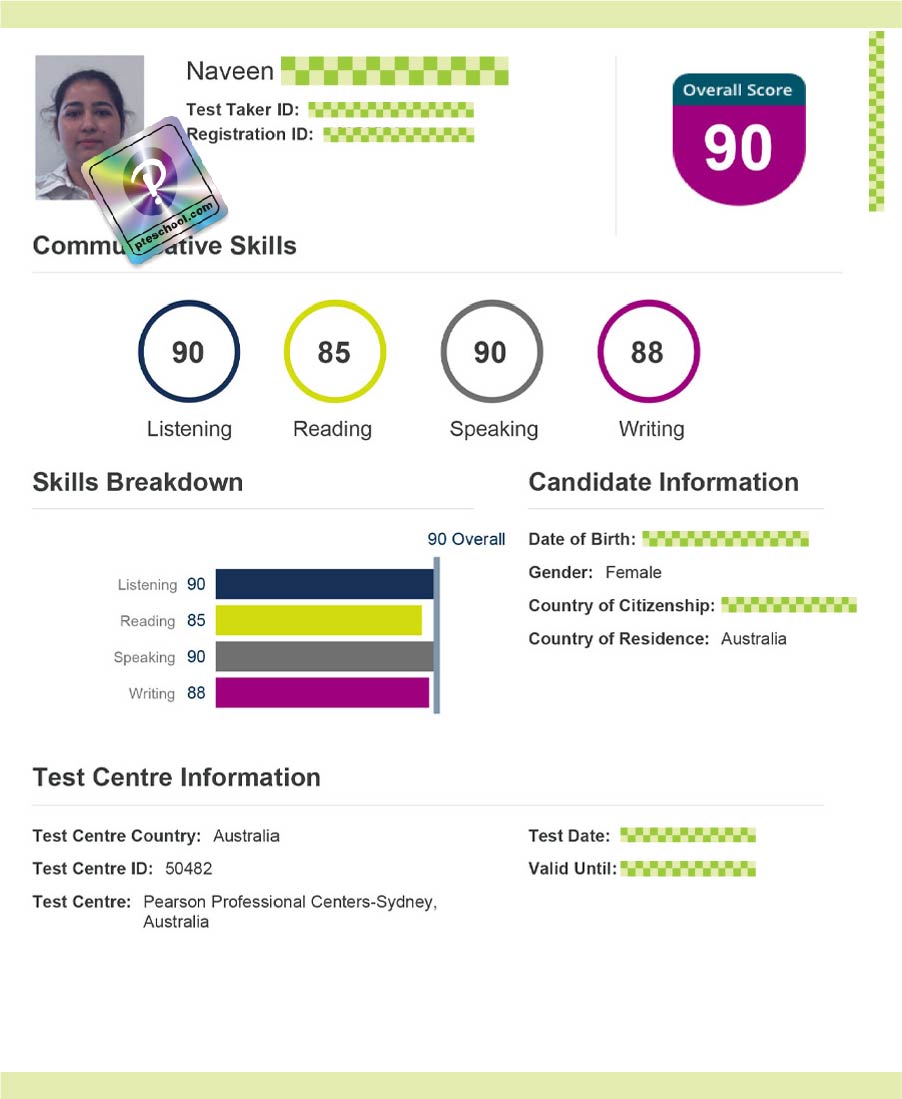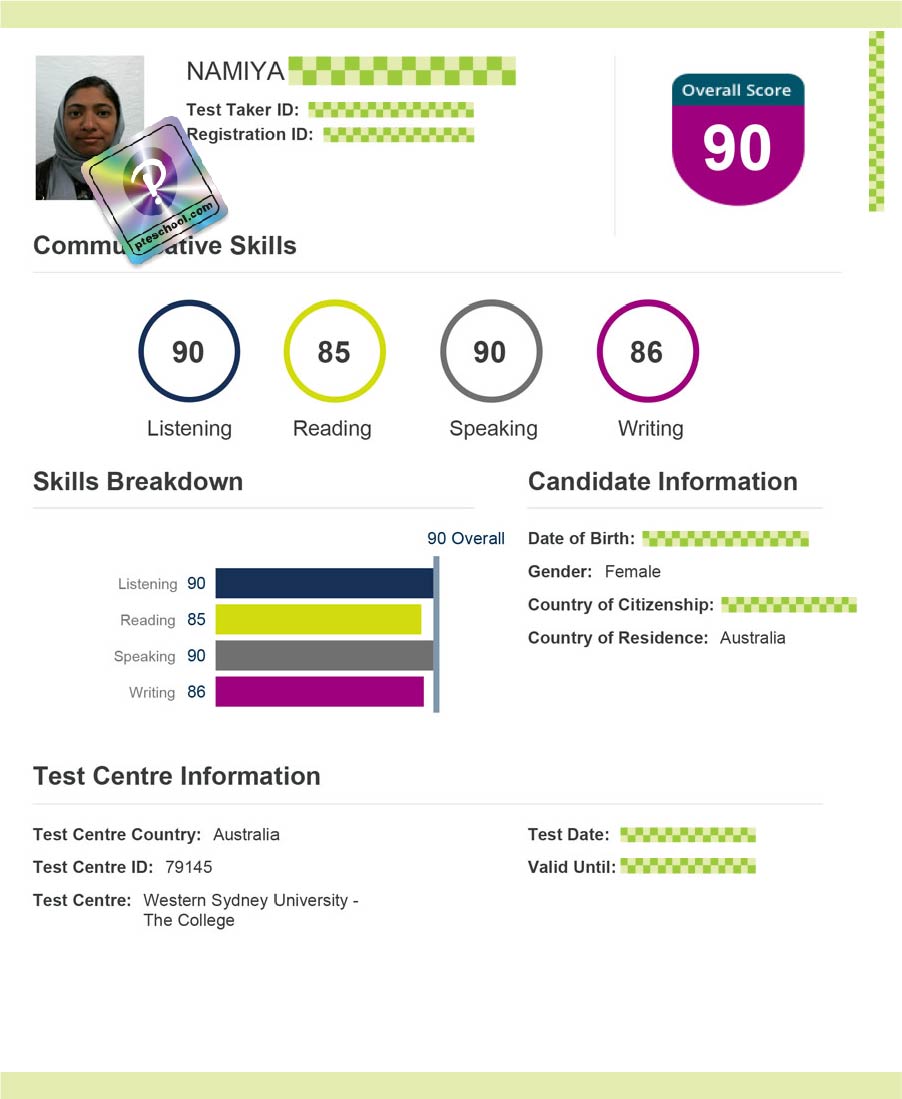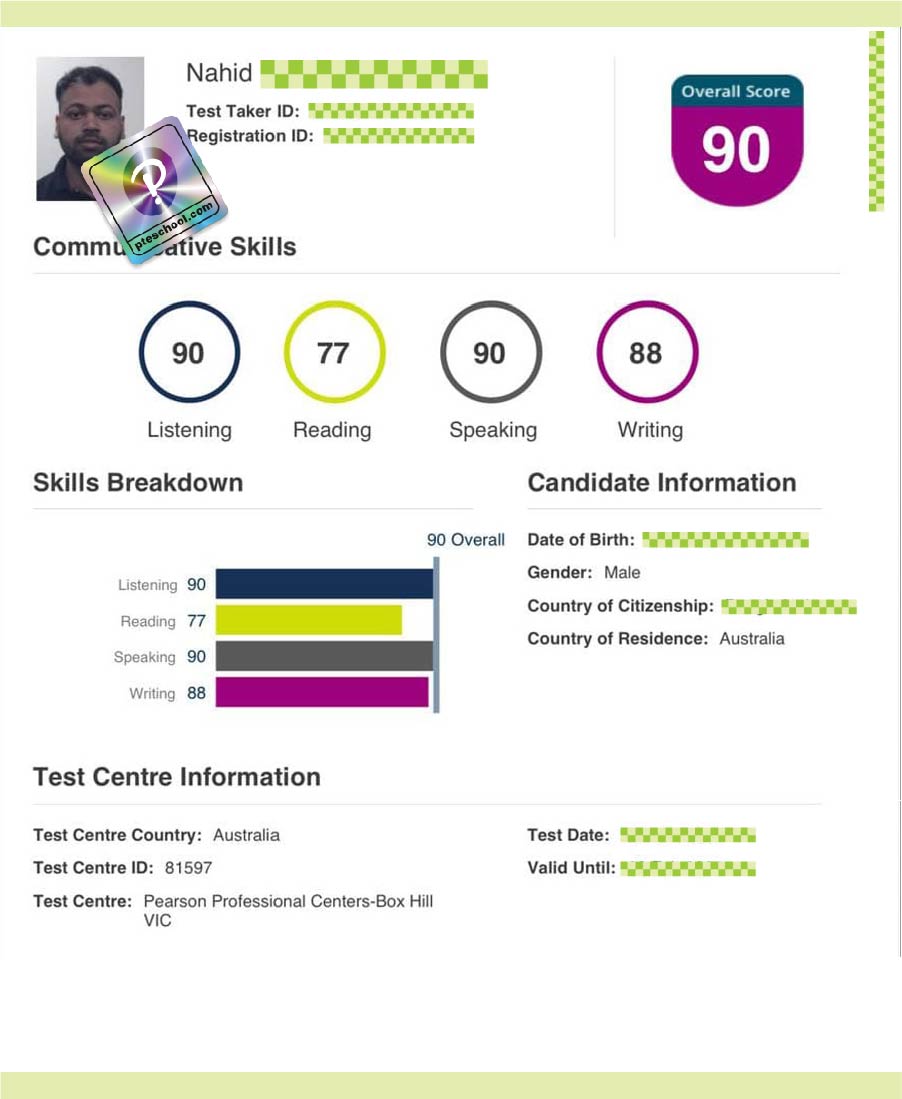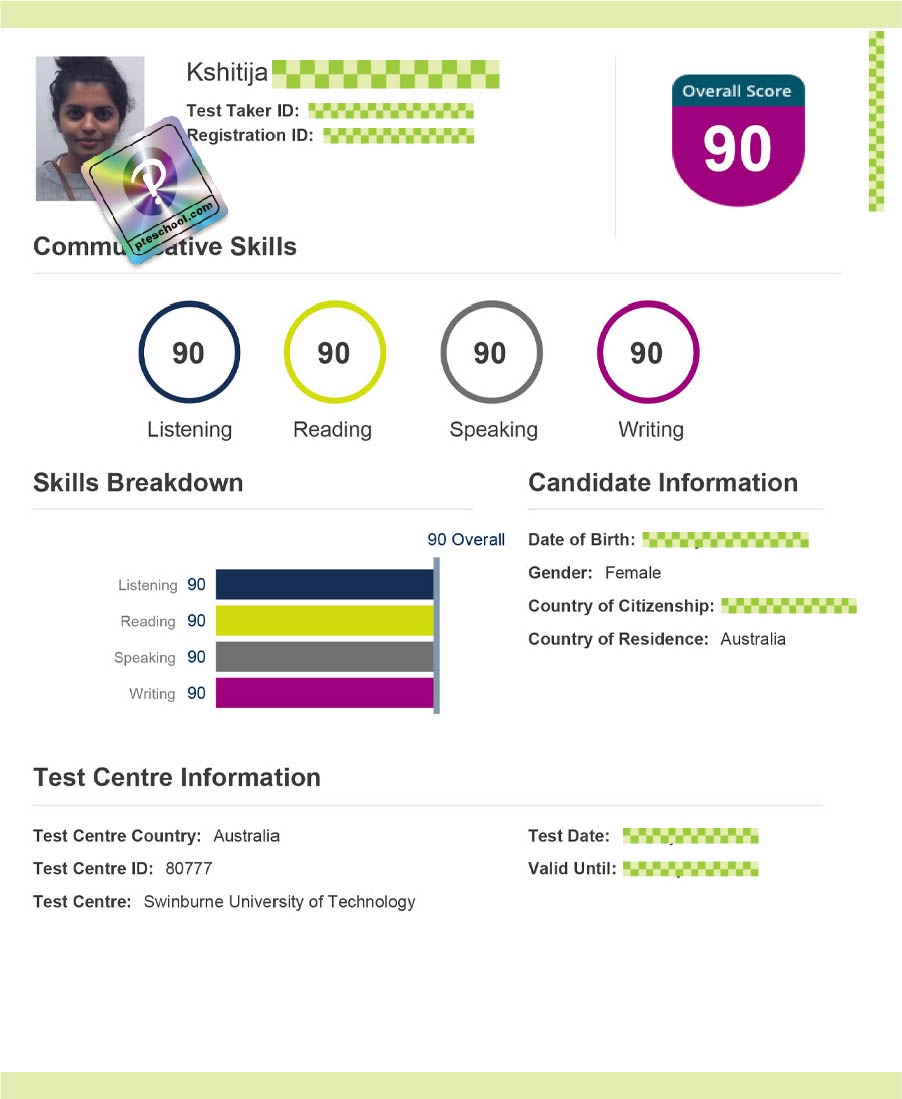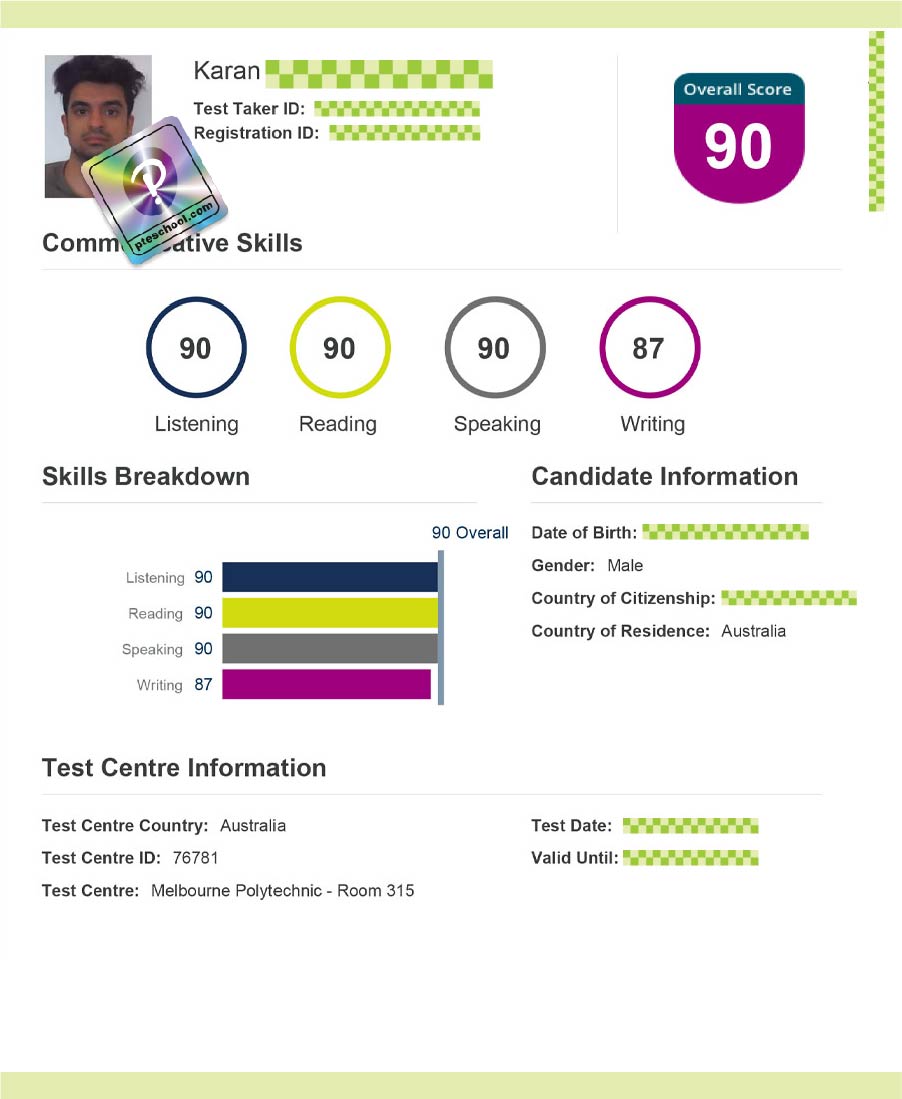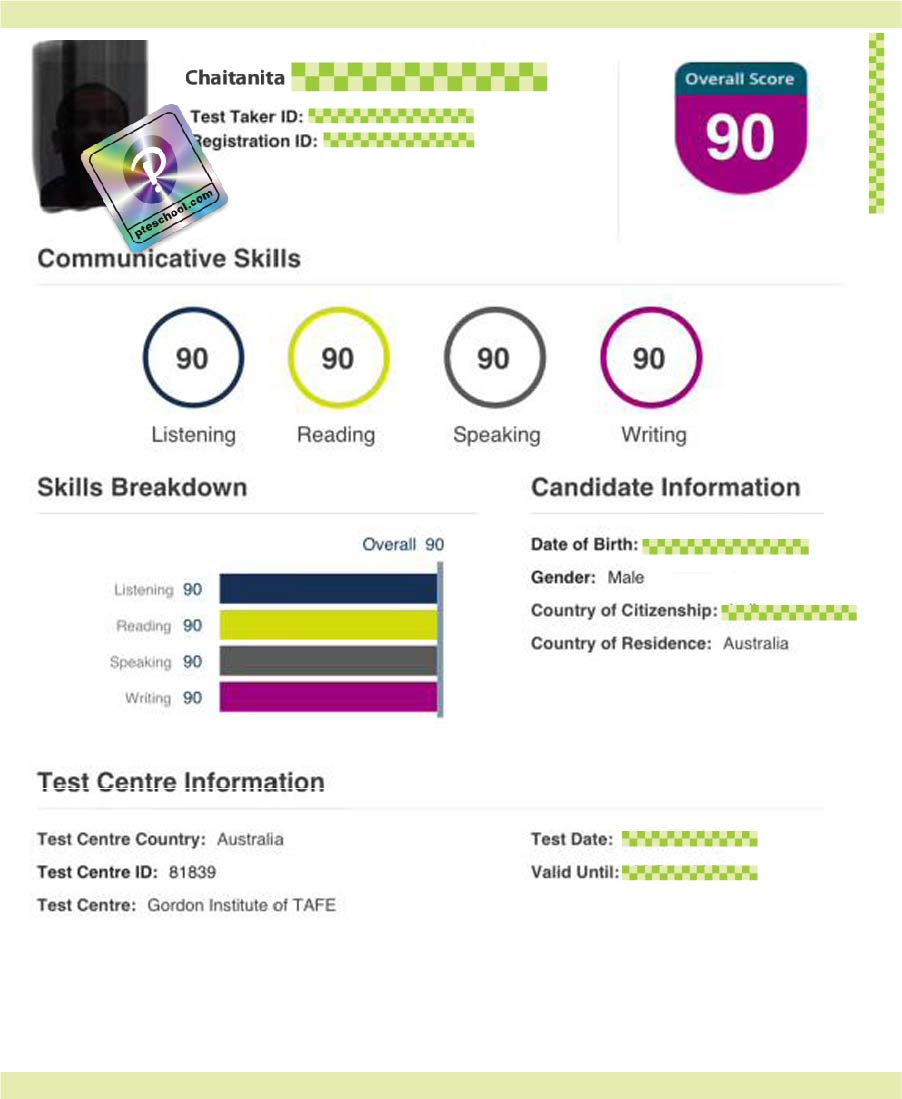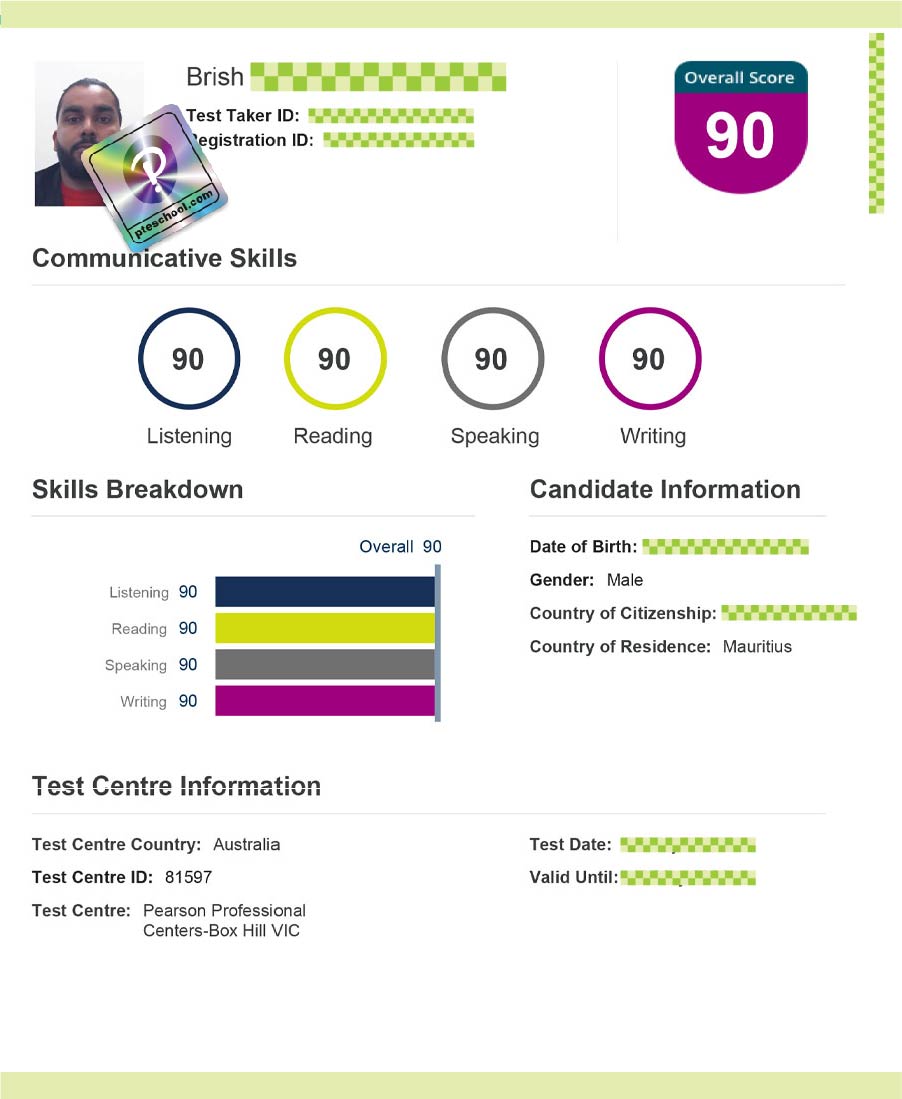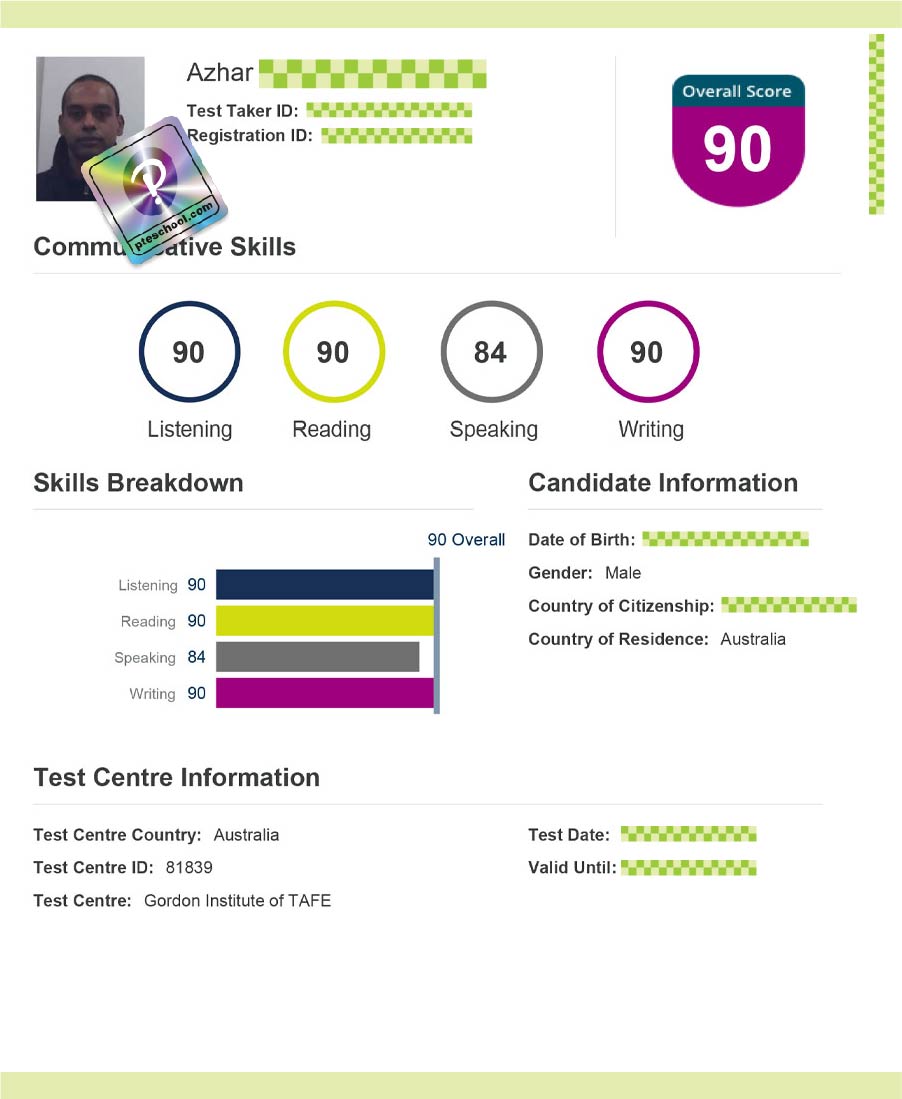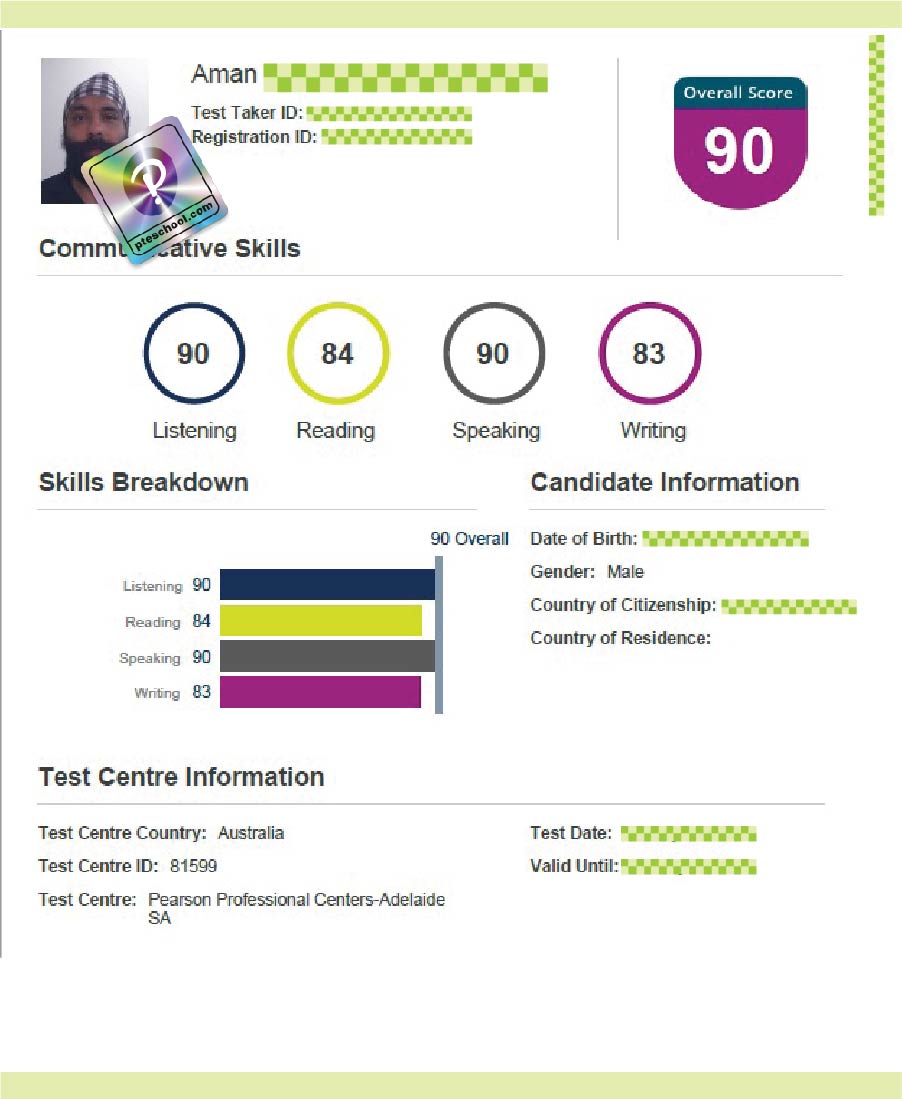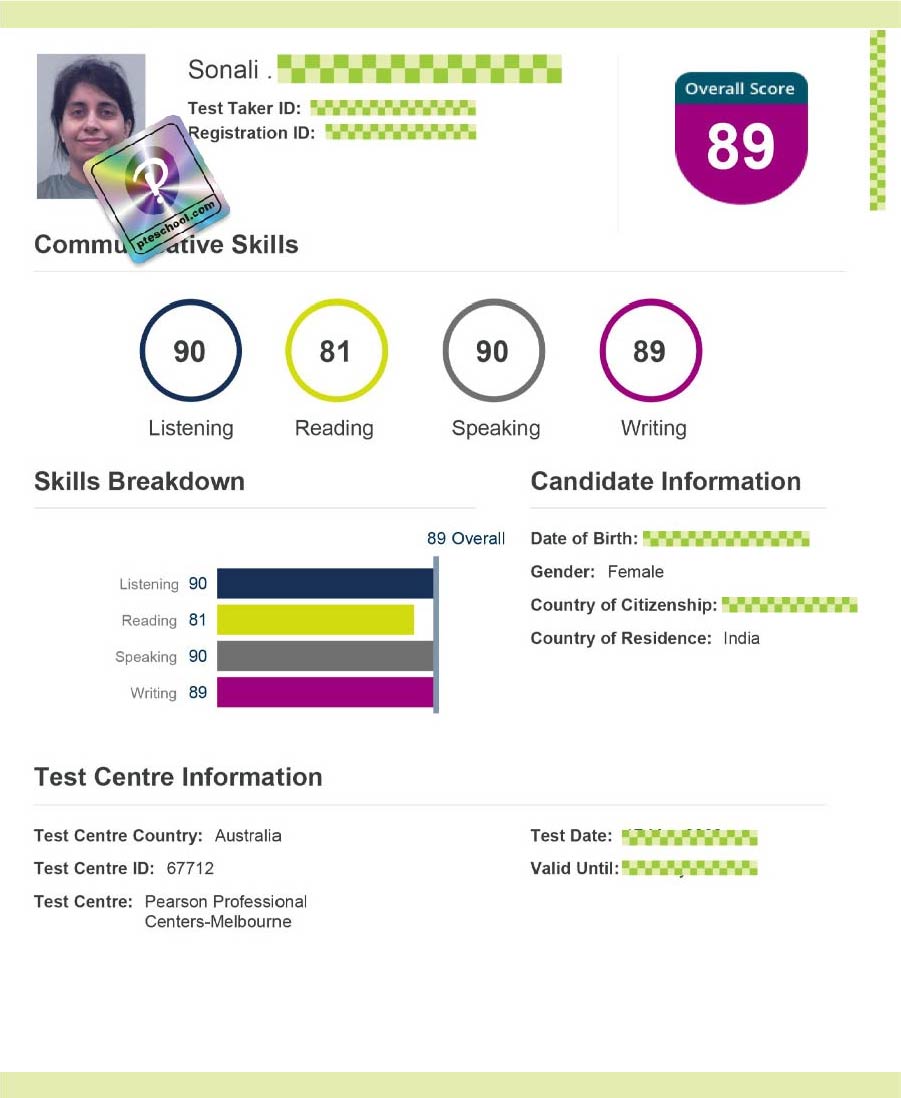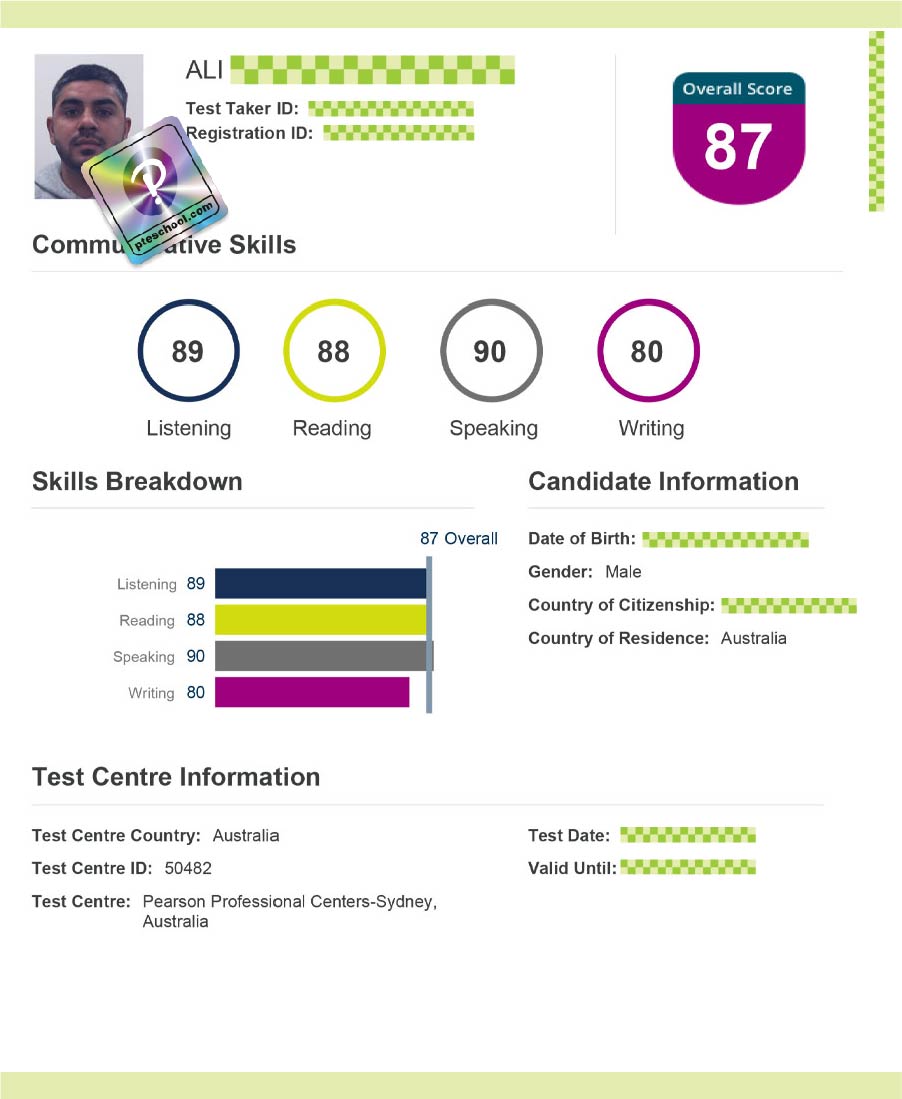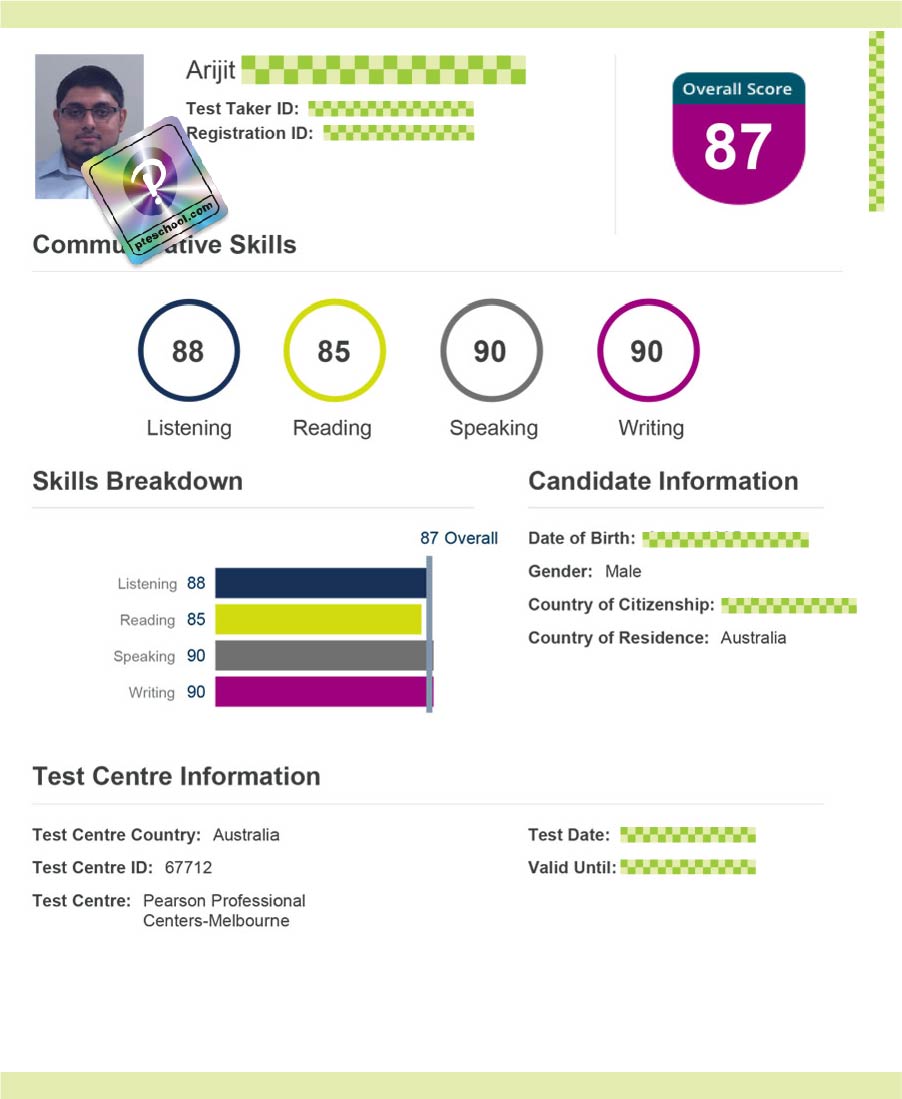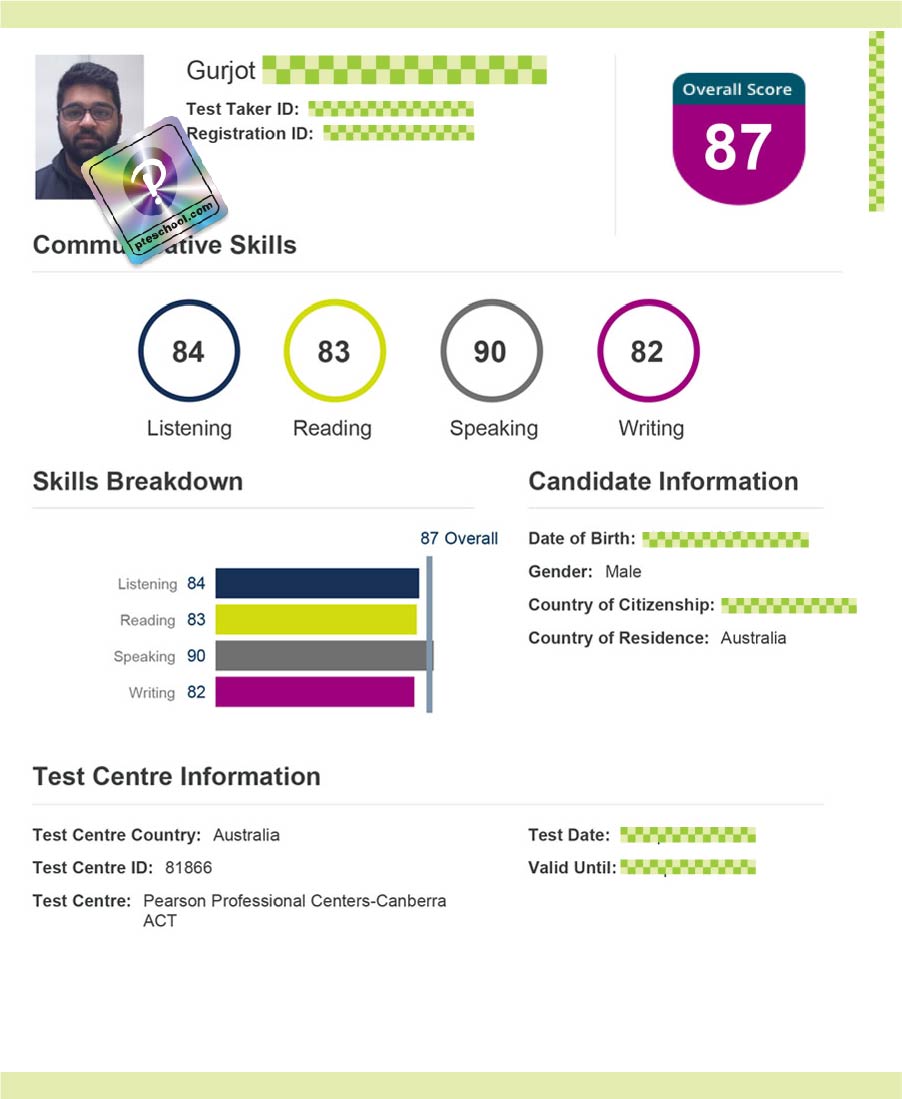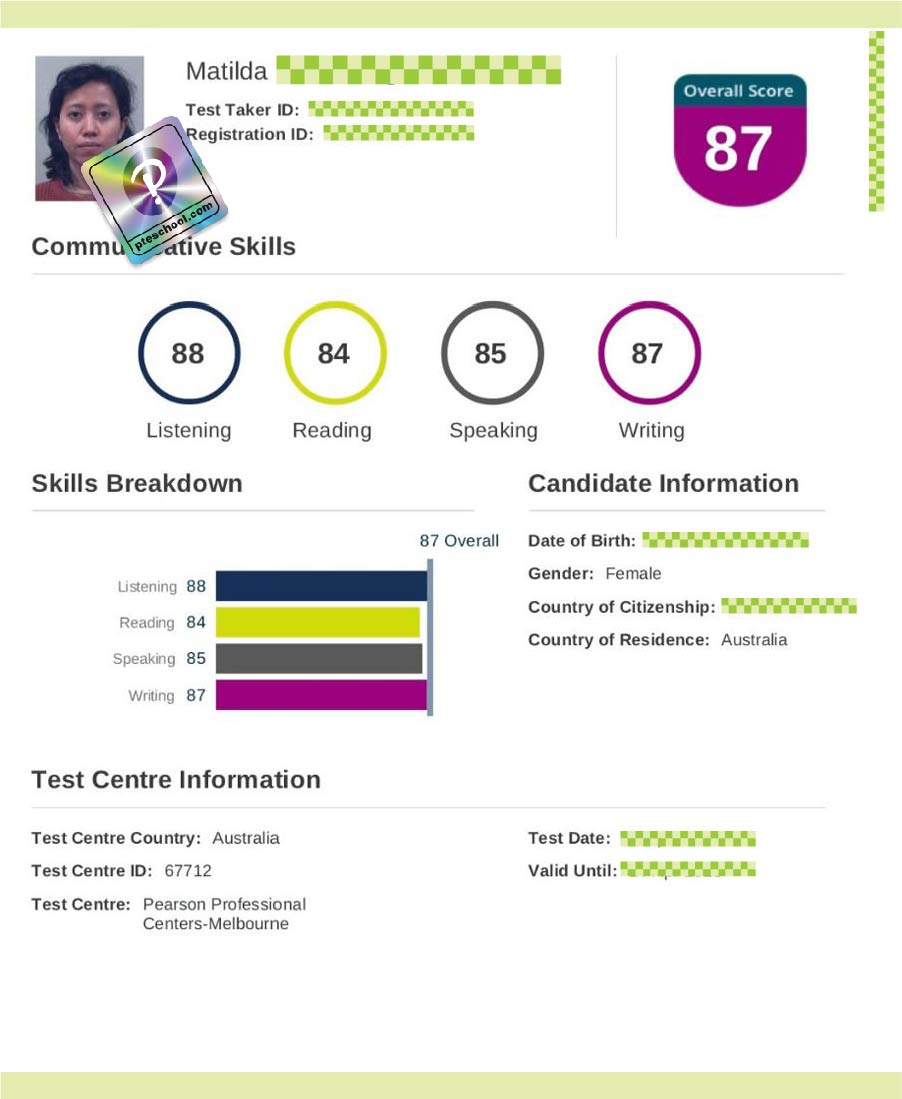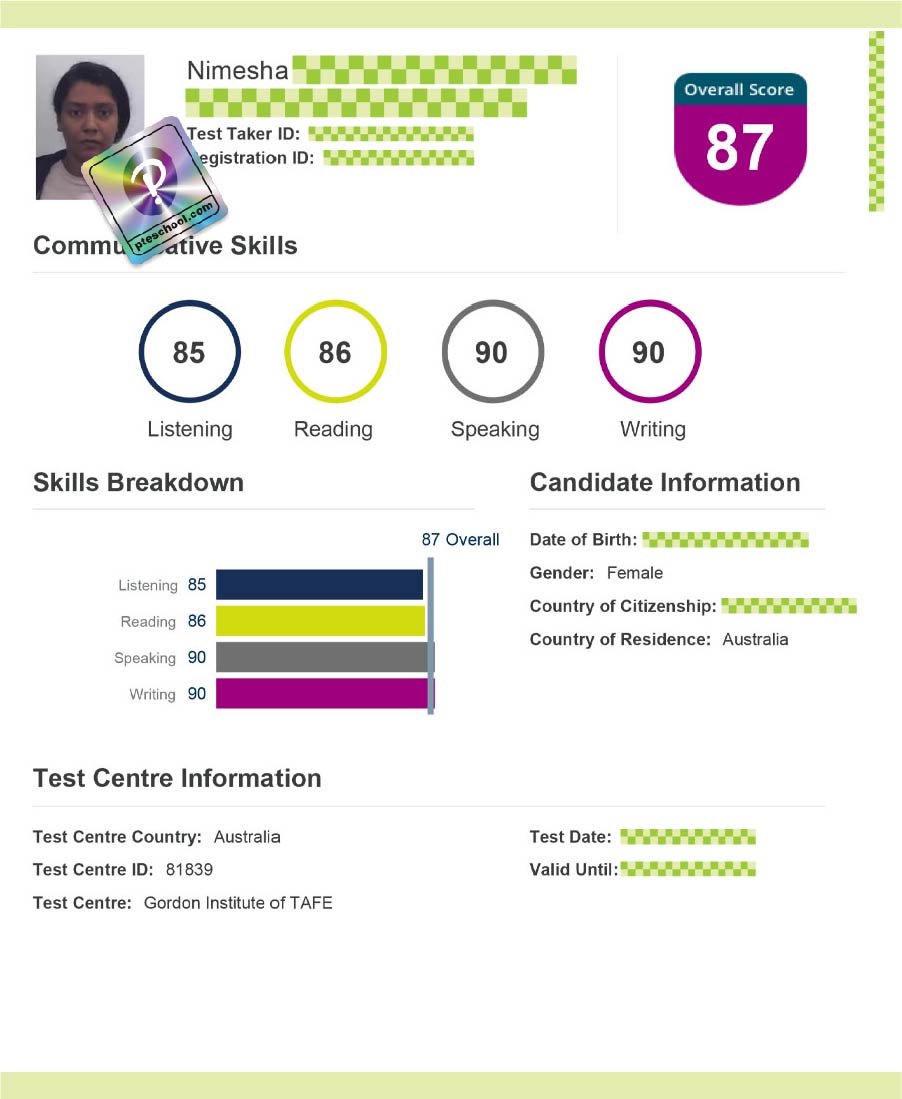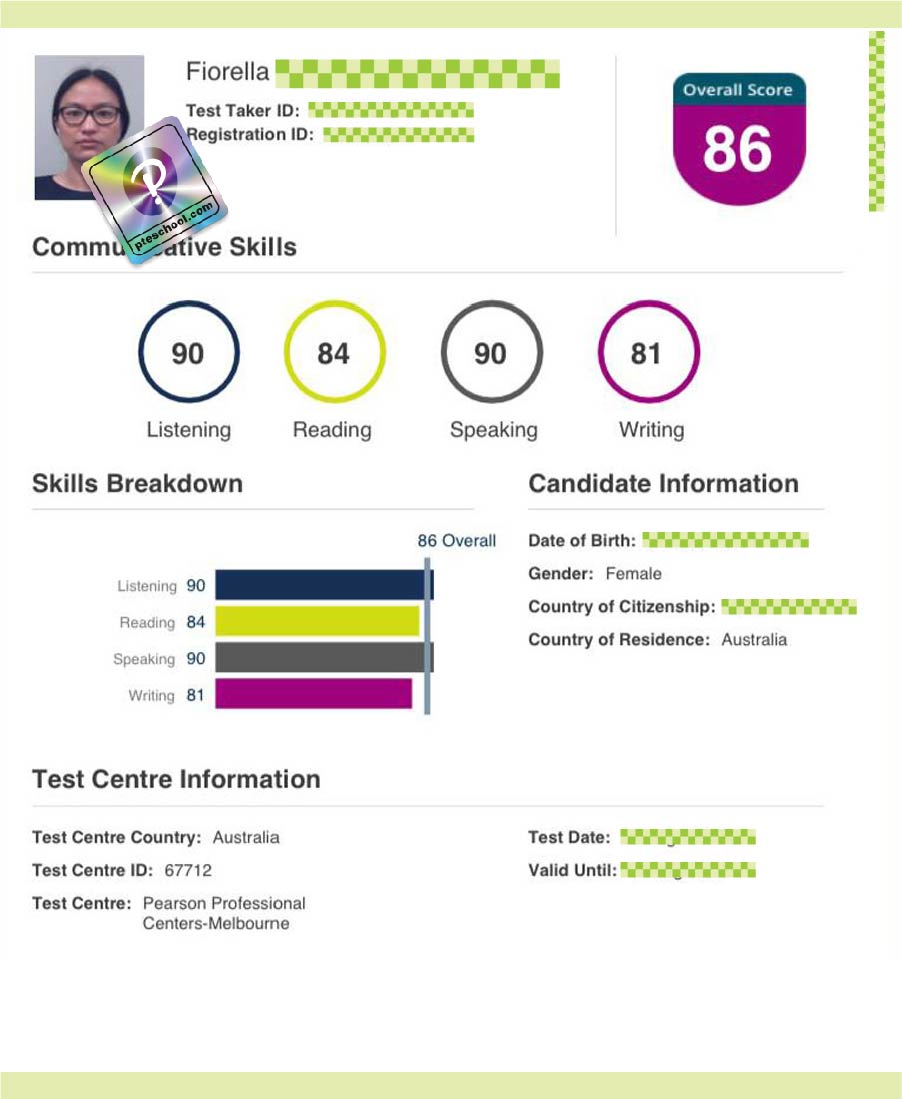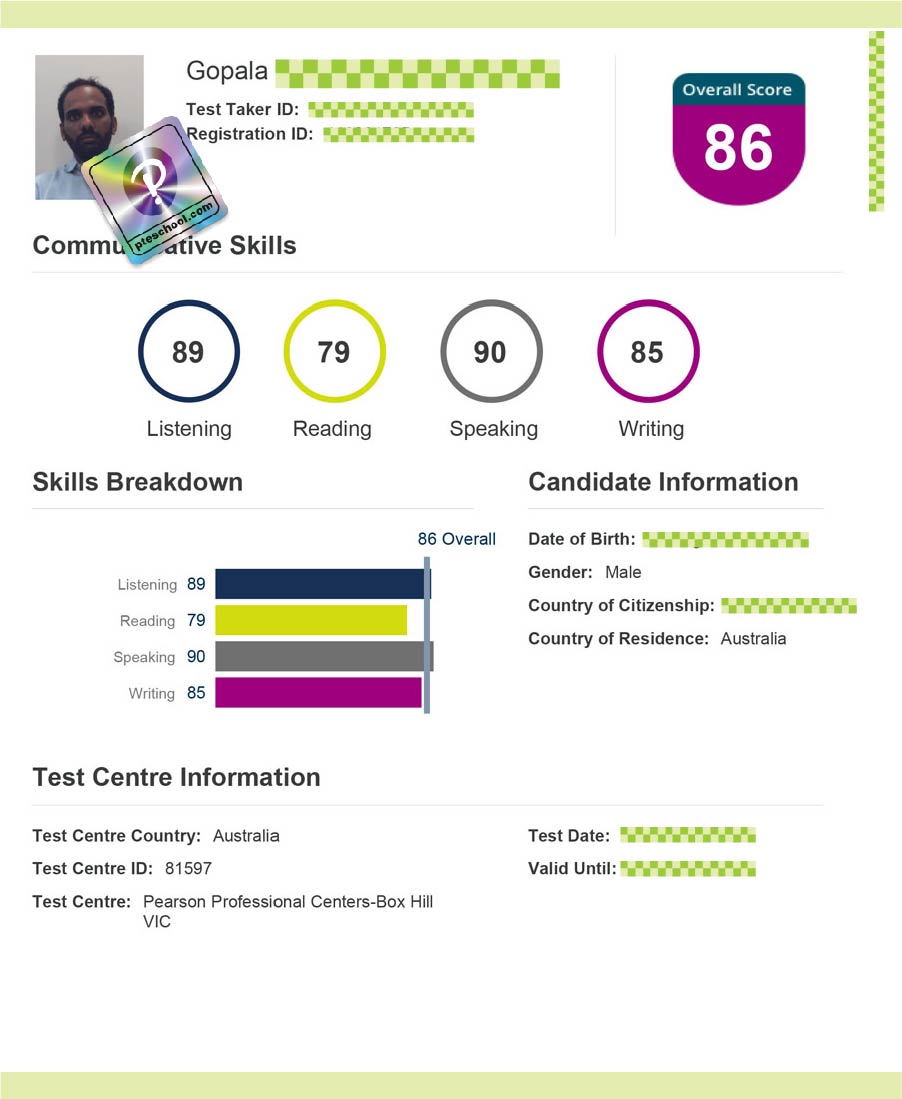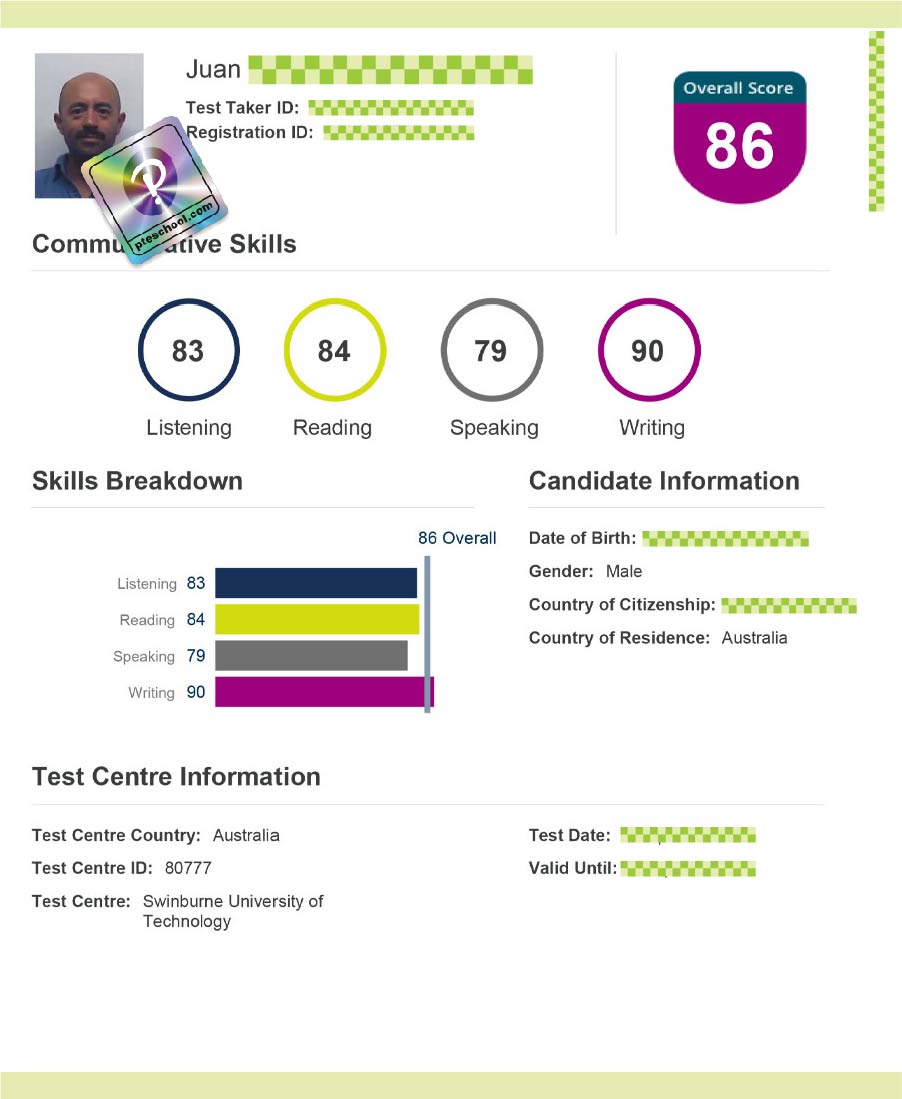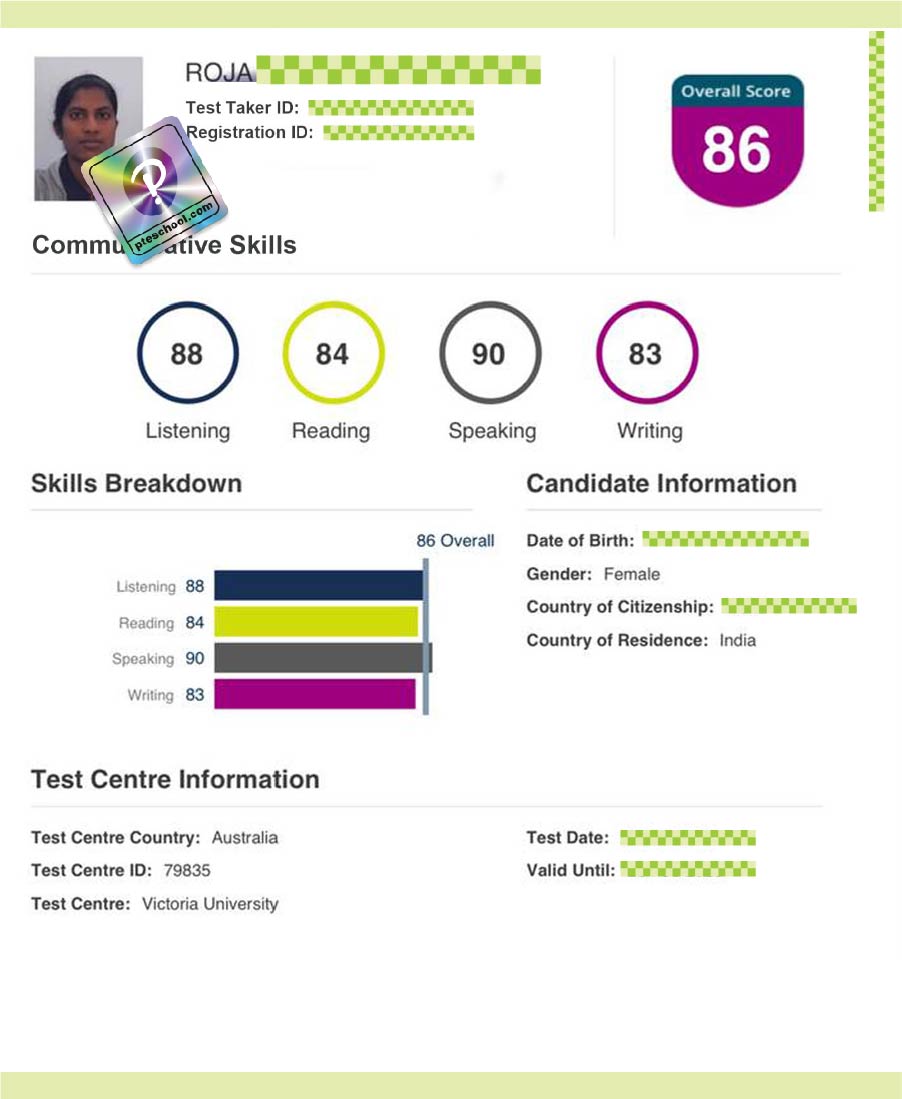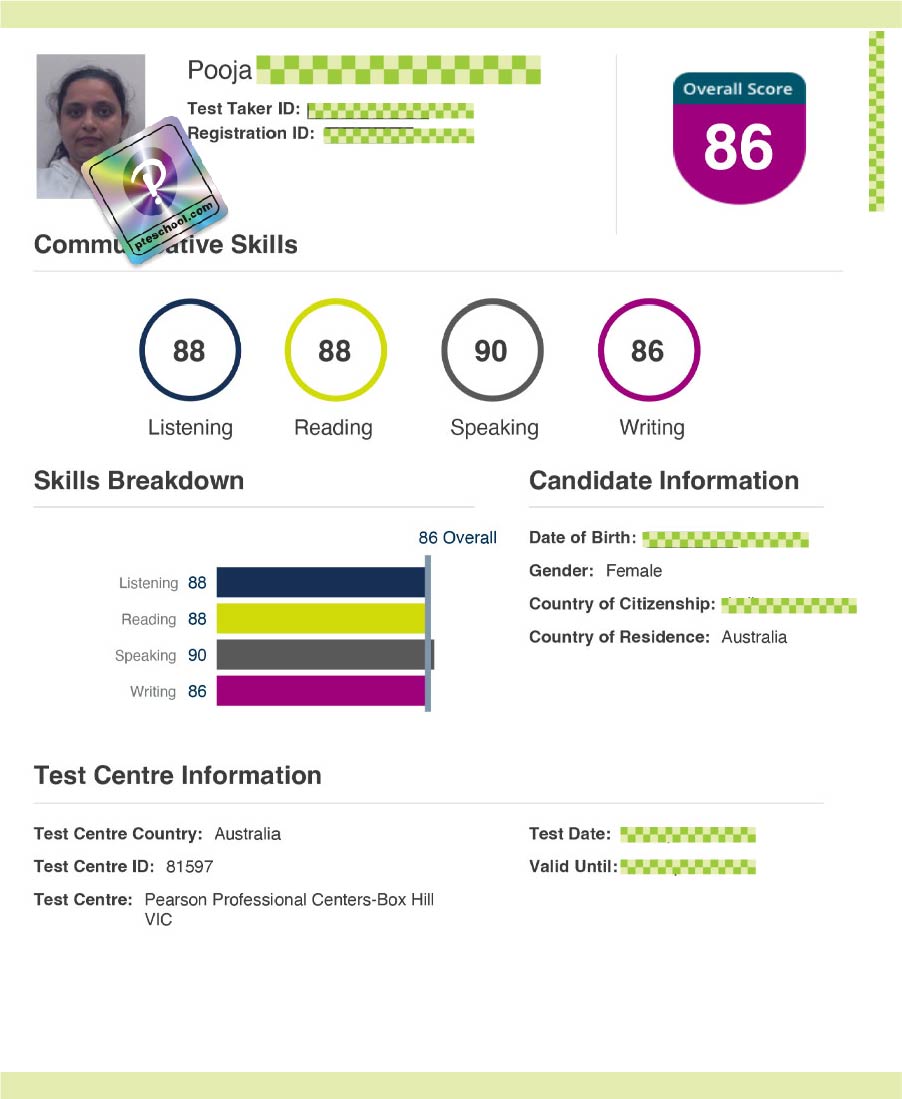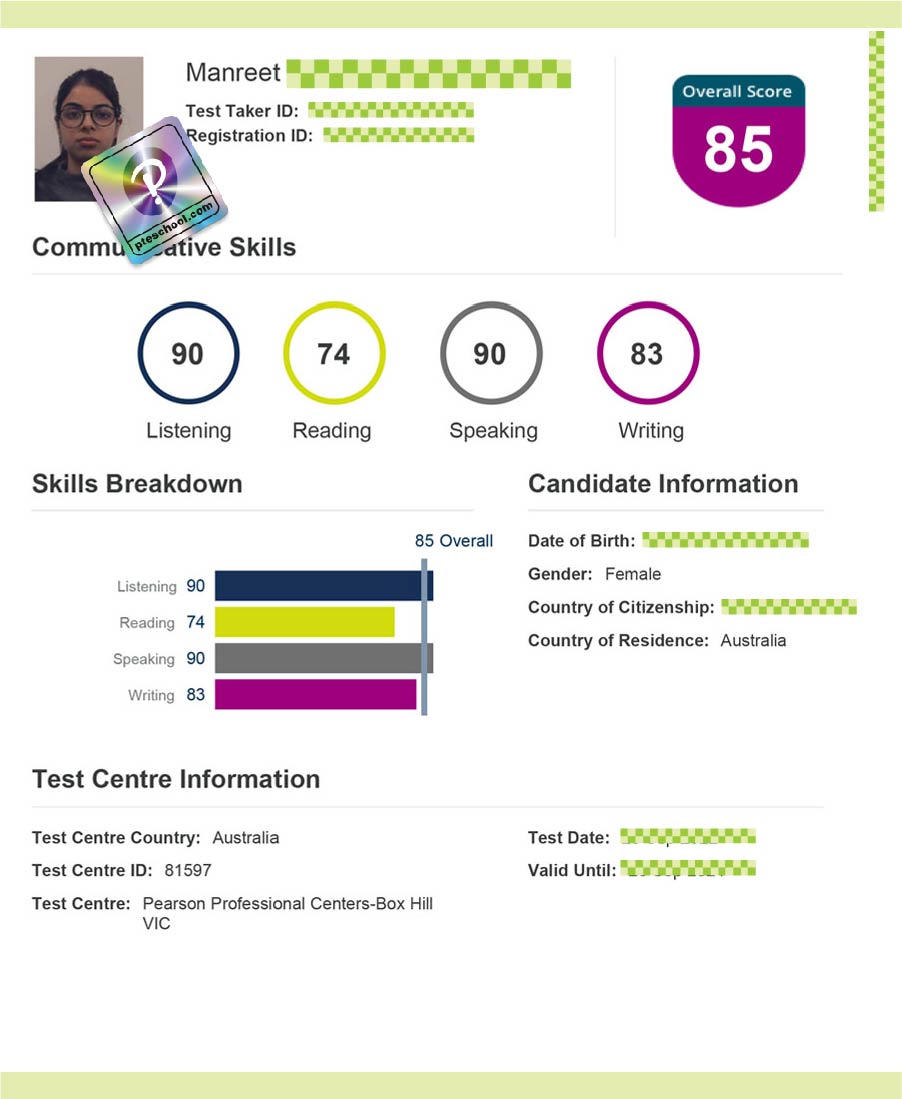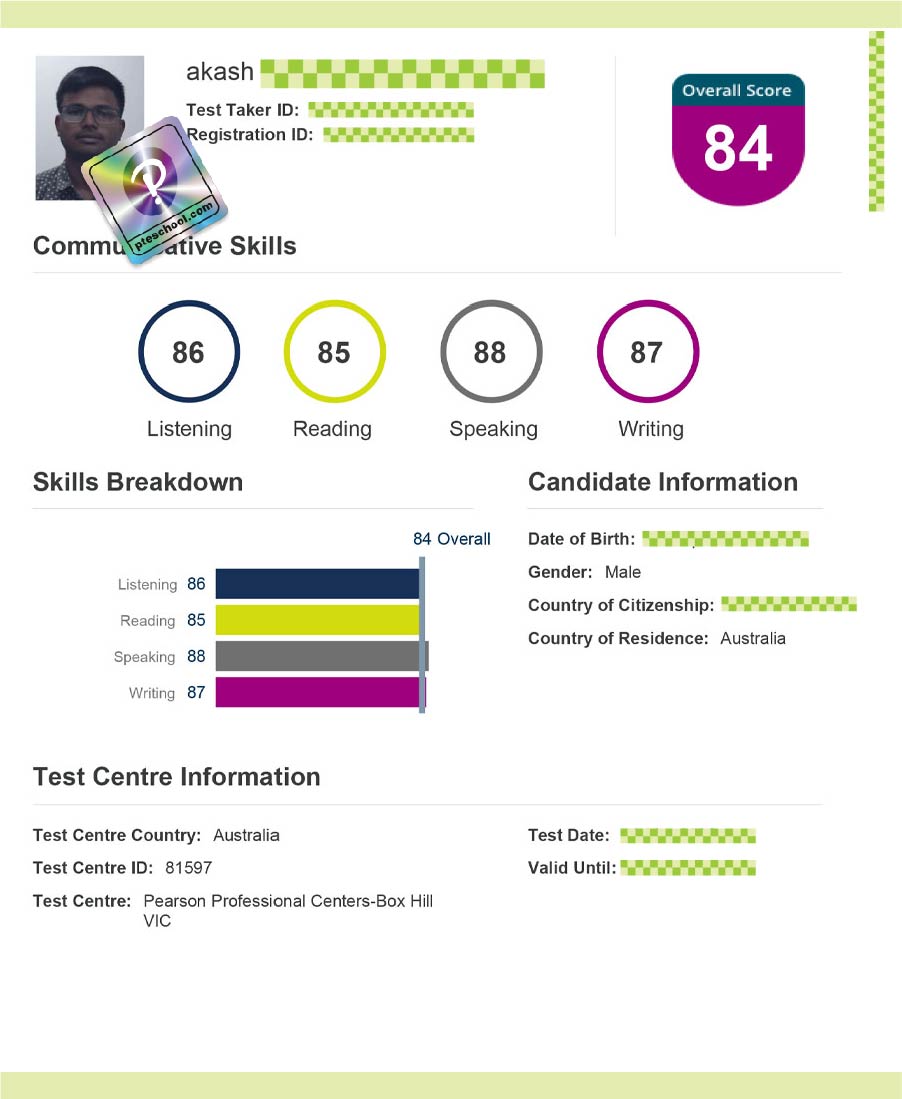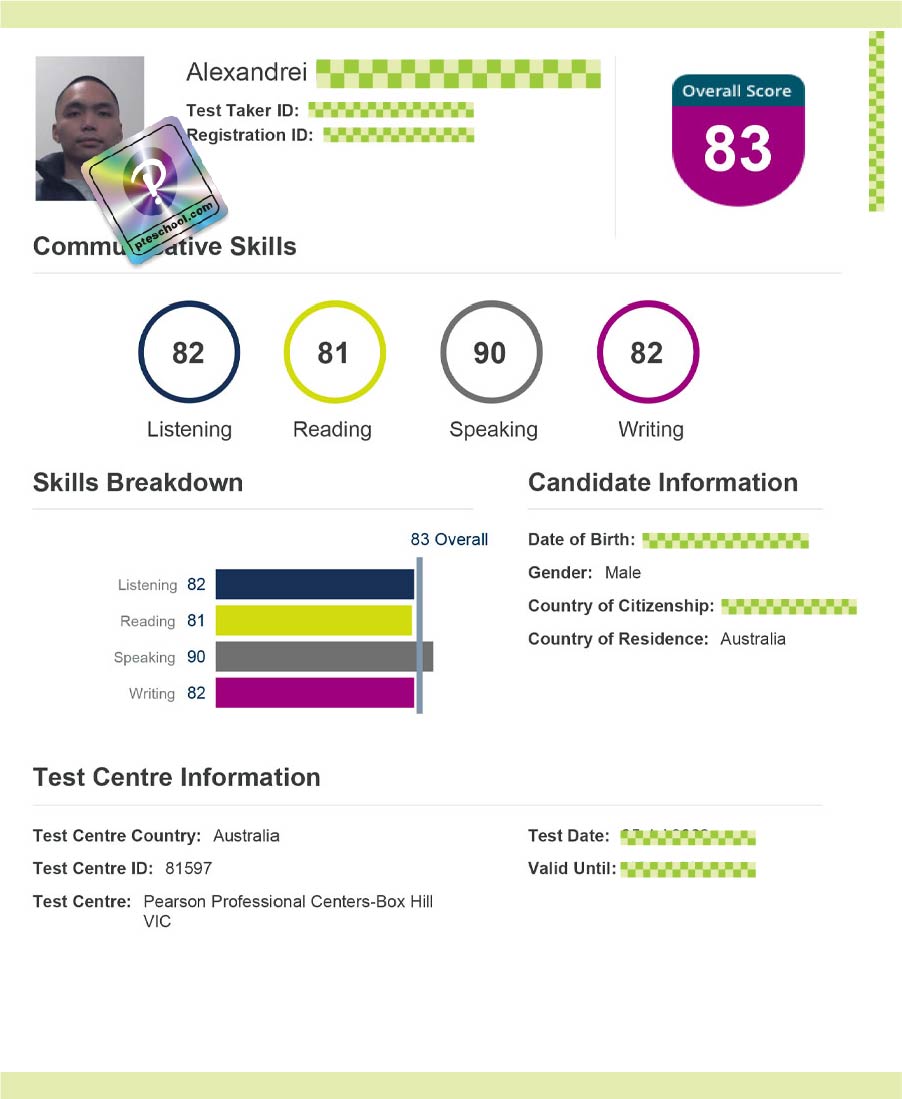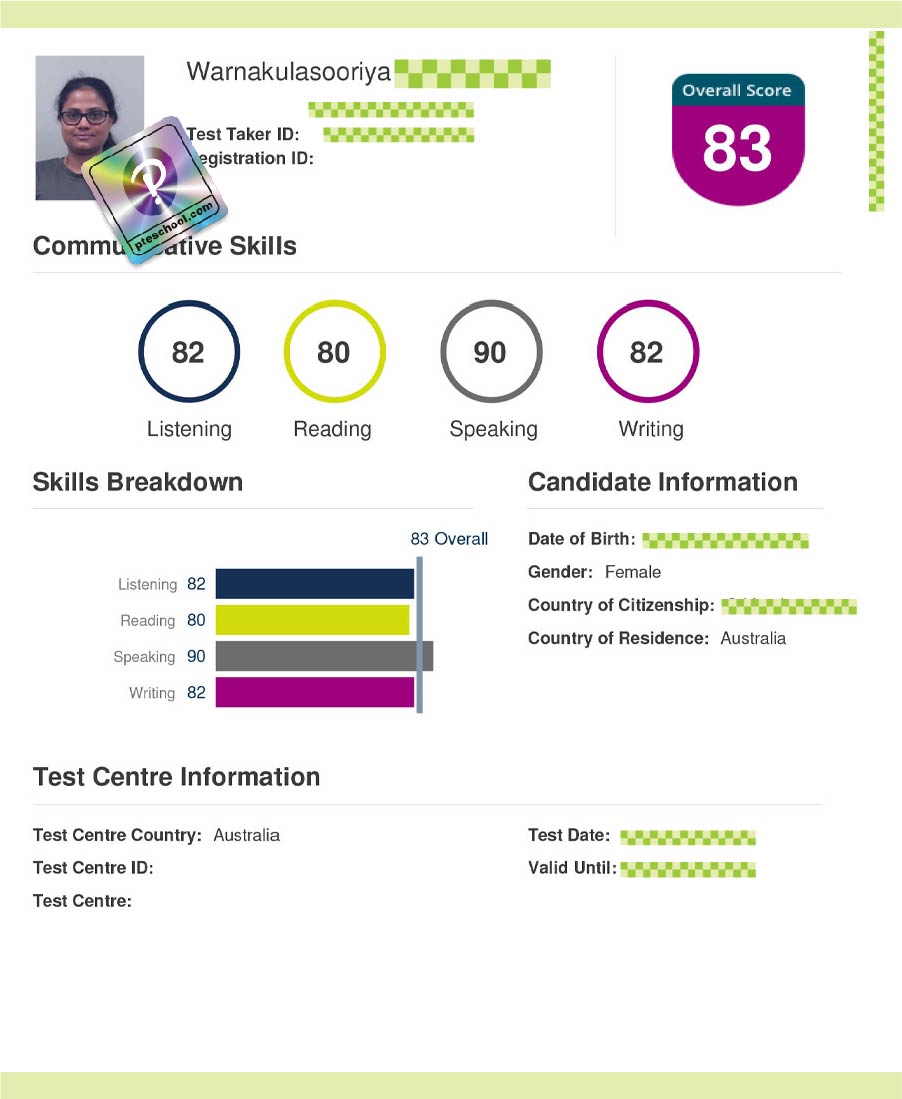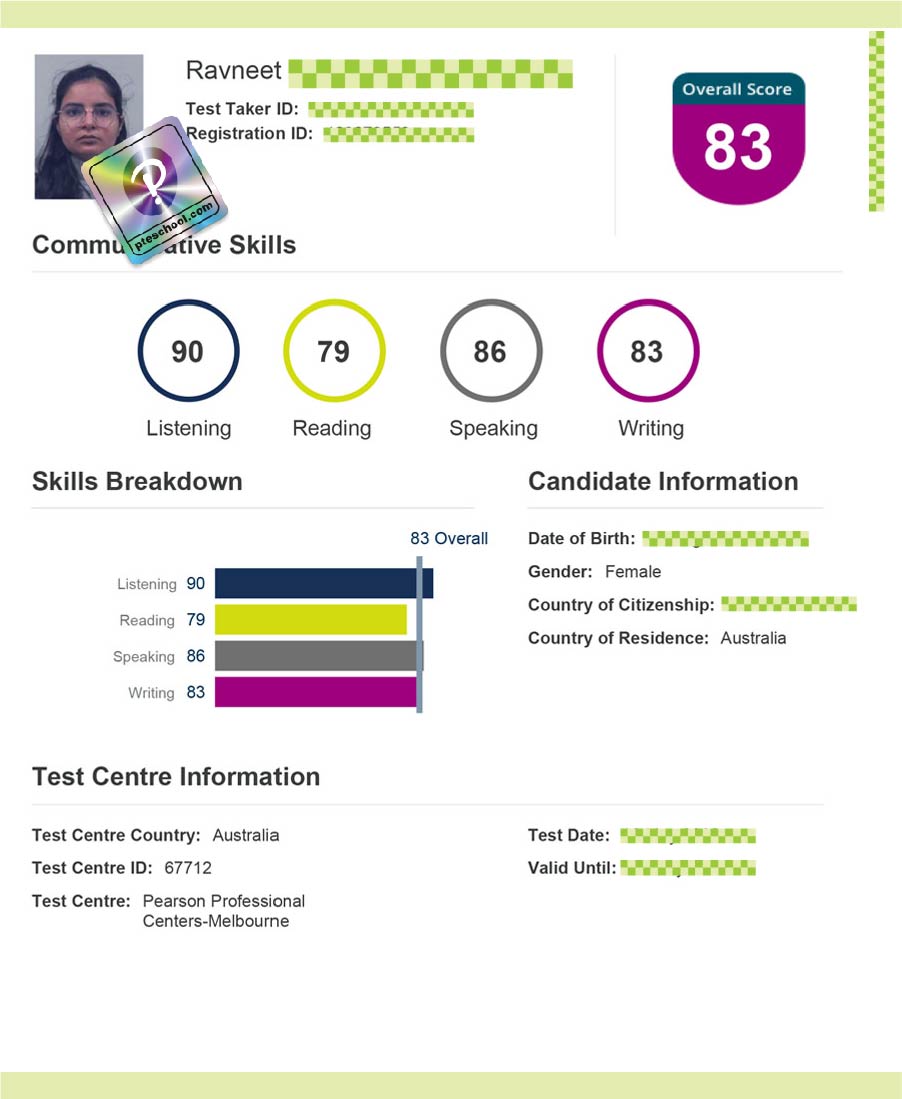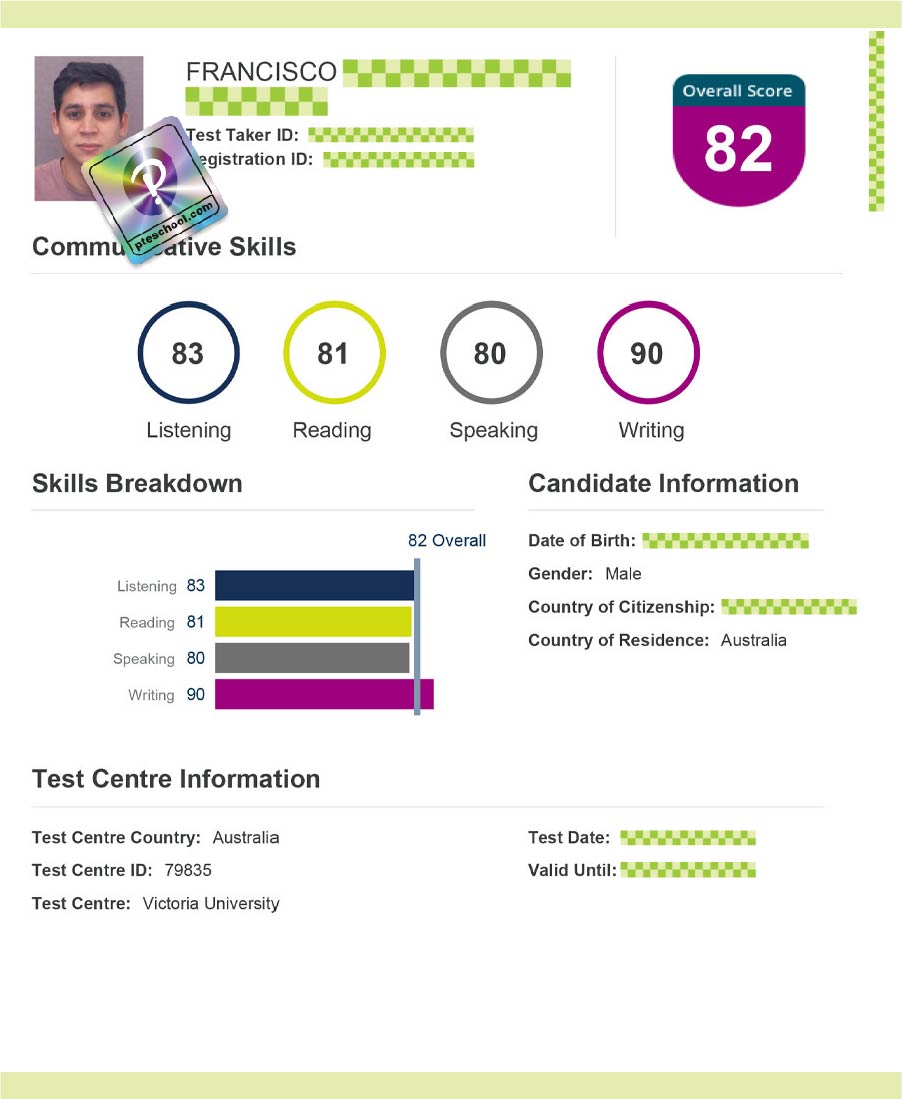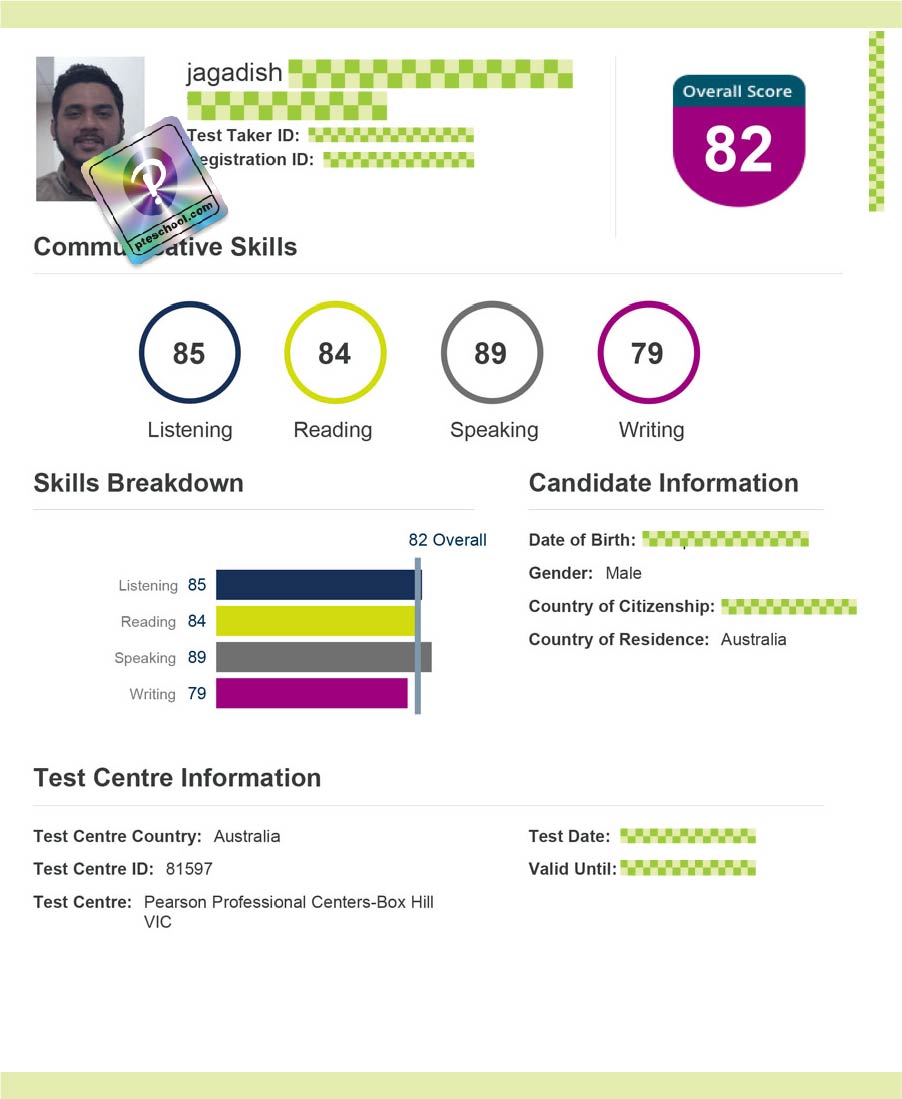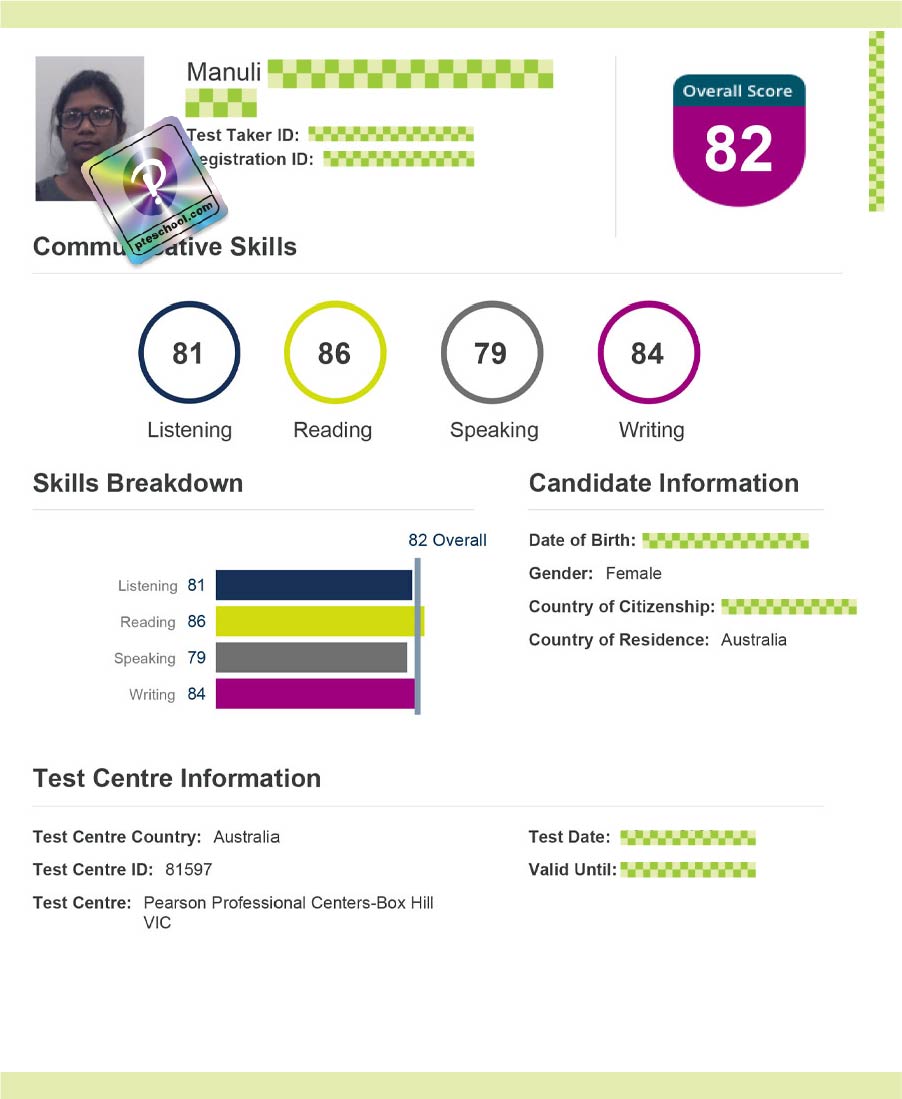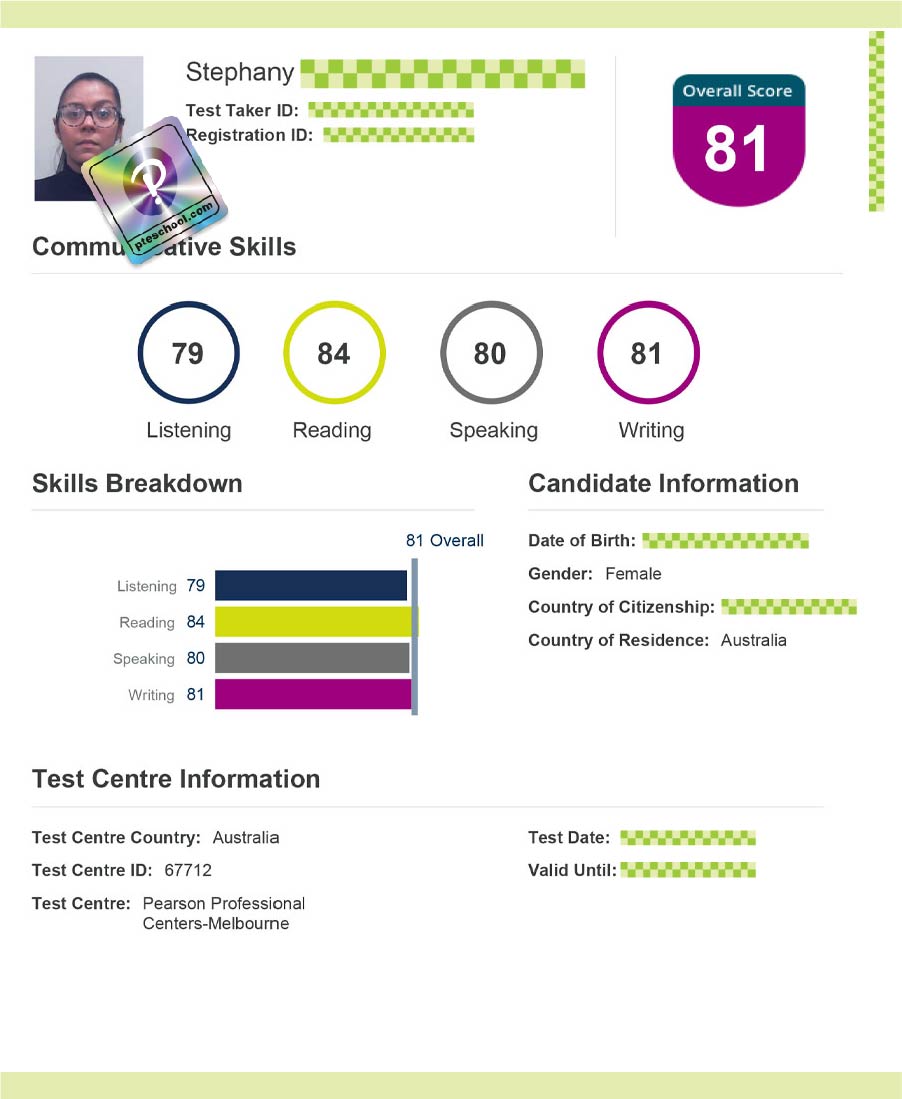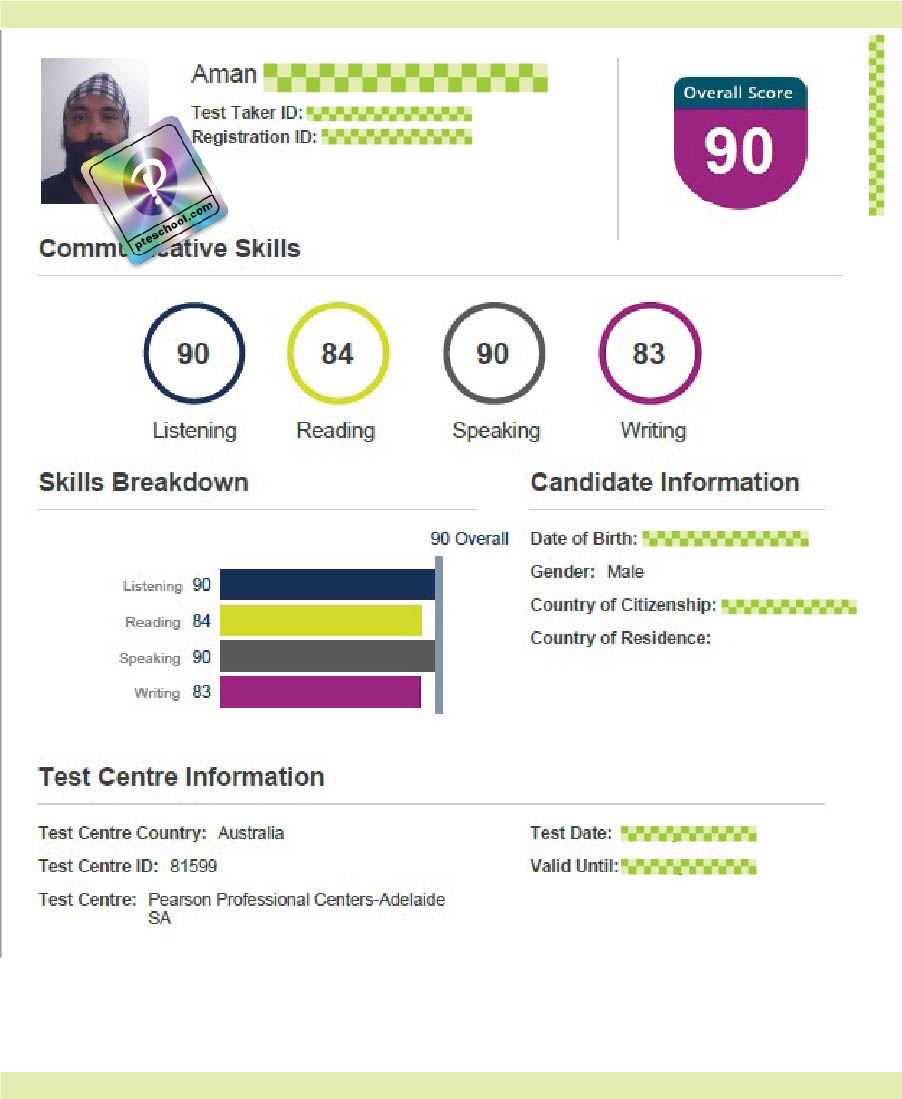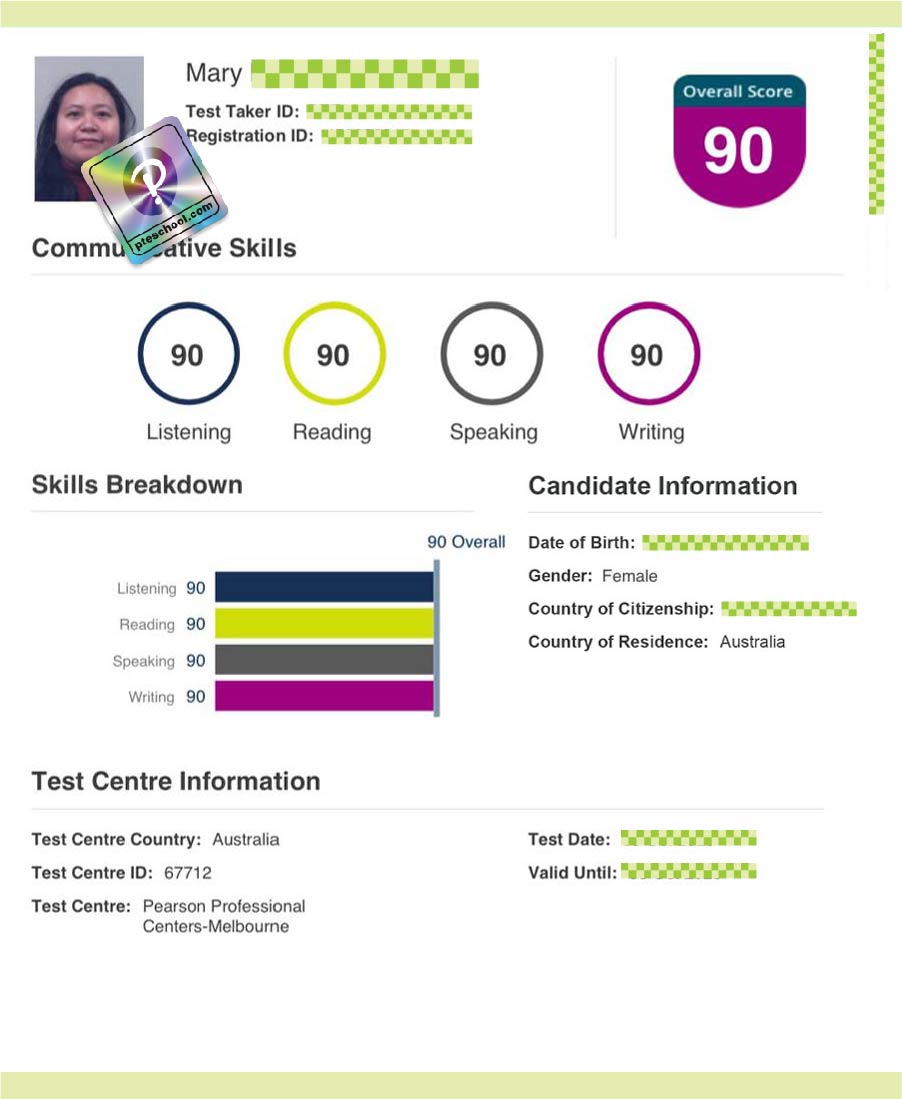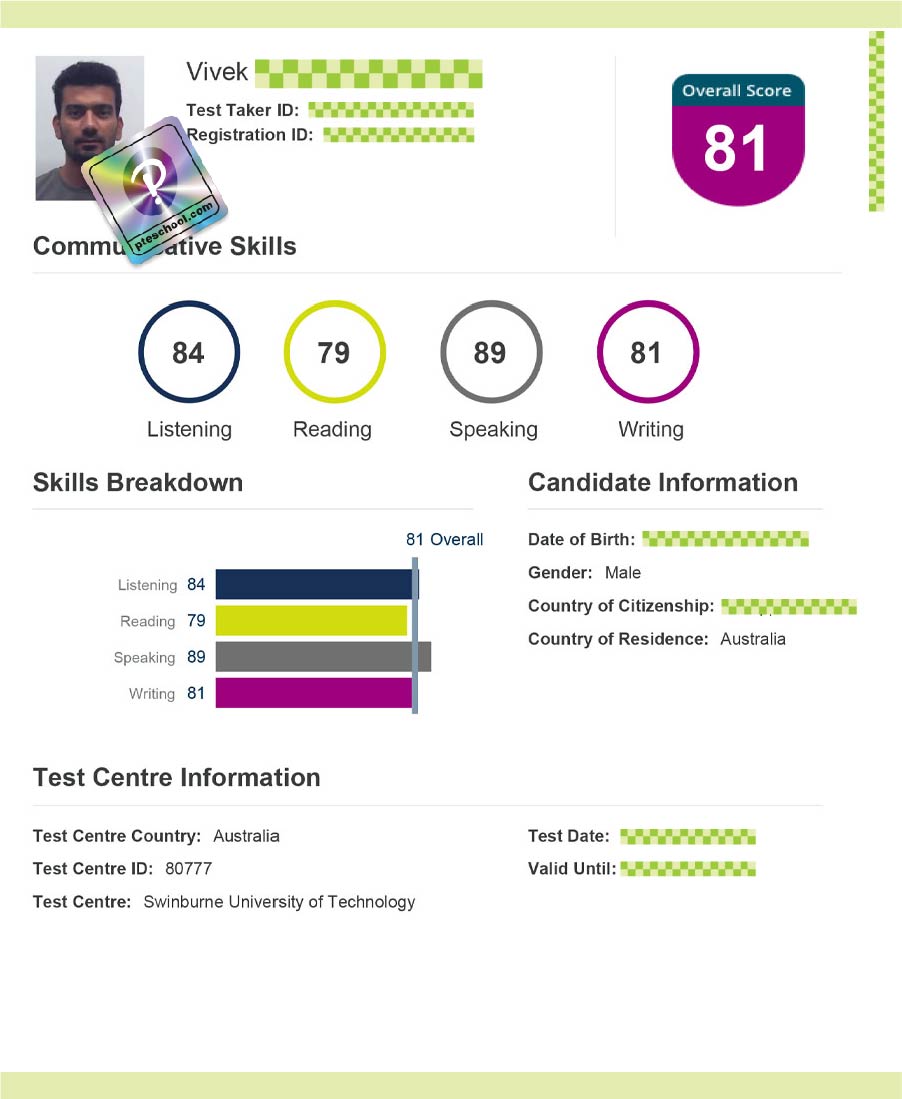

You’re staring at your PTE score report, and the number you needed most—that elusive 85 in Writing for your 20 PR points—just isn’t there. You practiced your essays, you perfected your Summarized Written Text, so what went wrong?
My name is Hafiz, and since 2015, I’ve helped over 5,000 students at PTE School navigate this exact frustration. More often than not, the answer isn’t in the writing section at all. It’s hidden in the first task of the listening module: Summarize Spoken Text (SST).
This isn’t just another listening task; it’s an integrated powerhouse that sends a huge chunk of marks directly to your listening and writing scores. And with the recent scoring enhancements in PTE Academic, understanding how to master SST is no longer optional—it’s critical.
Let’s break down why this task is so important now, the common mistakes that are costing you dearly, and the proven method to turn it into one of your highest-scoring sections.
Why Summarize Spoken Text is Your New Writing Priority
Before August 2025, the PTE writing score was generously supported by tasks like Fill in the Blanks (Reading & Writing) now known as Fill in the Blanks: Drop Down and Fill in the Blanks (Listening) now known as Fill in the Blanks: Type In. These two question types alone used to contribute a massive 30-40 marks to your writing score.
But they don’t anymore.
Pearson has enhanced its scoring mechanism, and those marks no longer feed significantly into writing. This means the pressure is now concentrated on four key tasks:
- Summarize Written Text (from Writing)
- Write Essay (from Writing)
- Summarize Spoken Text (from Listening)
- Write from Dictation (from Listening)
Suddenly, SST is a cornerstone of your writing score. If you want to hit that 85+, you can’t afford to treat it as an afterthought. You need a strategy that is precise, effective, and reflects how the AI actually scores you. Random tips won’t cut it when your $475 exam fee and residency points are on the line.
The Three Mistakes That Destroy Your SST Score
You have 10 minutes for the entire task. An audio, typically 60-70 seconds long, will play. You listen, take notes, and then write a 50-70 word summary. It sounds simple, but this is where most students go wrong. I saw this exact pattern with my student, Van, who was confidently practicing but making subtle mistakes that were holding her back from her target of 85.
Let’s look at these mistakes so you don’t repeat them.
Mistake #1: Collecting Random Words, Not Meaningful Phrases
When the audio starts, many students panic and scribble down every word they can catch. The result is a mix of important content words and unnecessary filler: “especially,” “have been,” “important,” “economy,” “globalization.” They then try to piece these isolated words into a sentence.
This approach fails because the PTE system doesn’t just want keywords; it wants context and coherent sentence structure.
Your goal isn’t to create a word salad. It’s to capture key phrases—small groups of words (like a noun phrase or a verb with its object) that carry the core meaning.
| Category | Unnecessary Filler (DO NOT take as notes) | Valuable Key Phrases (MUST take as notes) |
| Adverbs/Modals | especially, surprisingly, mostly, have been, will be | The main function is…, primarily focused on… |
| Supporting Verbs | have, had, is, are, was, were | Contribute to the problem, depend heavily on… |
| Isolated Noun | technology, students, failure | Latest technological advancements, high dropout rates |
Example 1: The Filler Trap
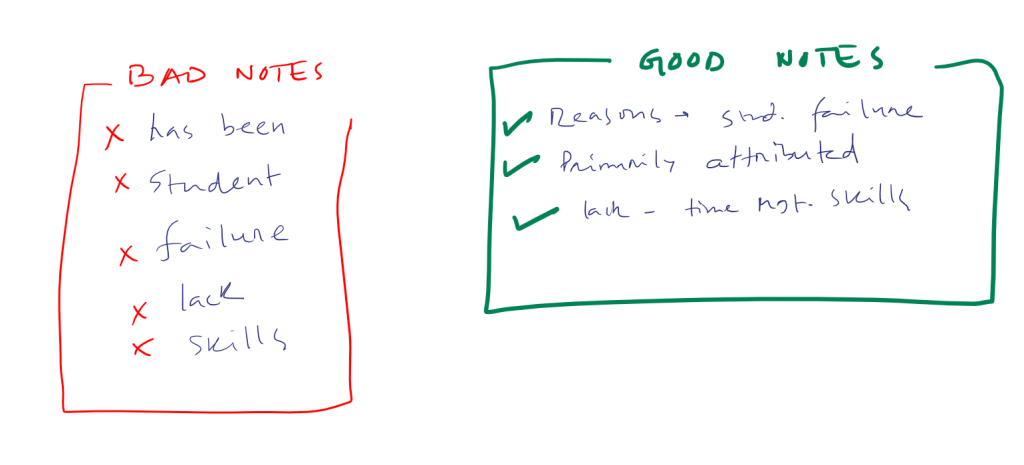
- Audio Snippet: “The reason for student failure has been primarily attributed to a lack of time management skills.”
- Bad Notes: has been, student, failure, lack, skills
- Good Notes: reason for student failure, primarily attributed to, lack of time management skills
The Fix: The ‘Title Test’
Before you even start writing, ask yourself one question: “If I had to give this lecture a title, what would it be?” This simple trick forces you to identify the main topic (e.g., Student Failure and Time Management), which should be the first thing you mention in your summary (e.g., “The lecture discusses the causes of student failure…”).
Mistake #2: Getting the Content Right, but the Context Wrong
This is the most dangerous mistake because it feels like you’re doing everything right. You use all the right words, but you mix up the meaning or the relationship between the items. The PTE scoring engine is sophisticated enough to detect this. If you change the context, you lose marks for Content—and that’s a zero-score knockout.
Example 2: The Reversed Subject
- Audio Snippet: “Alexander asked some help from Robin regarding his new research.”
- Keywords you noted: Alexander, Robin, asked help, research
- Your Summary Sentence: “Robin asked Alexander for help regarding his new research.”
- The Result: Zero Content Marks. You used every single keyword, but you completely reversed the agent of the action. The original speaker implied Alexander needed help; your summary says Robin needed help.
Example 3: The Context Shift
- Audio Snippet: “Today’s economy is mostly depending on globalization.”
- Keywords you noted: economy, mostly depending on, globalization
- A Student Writes: “Globalization is crucial for the economy.”
- The Result: Low Content Marks. The speaker established a specific relationship: dependency. The student’s sentence states a general, obvious fact about importance. You must maintain the speaker’s original context.
- A Better Summary: “The speaker stated that the modern economy depends heavily on globalization.” (This preserves the context and maximizes marks.)
Mistake #3: Showing Off Your Own Knowledge
You may be an expert in the lecture’s topic (e.g., finance, biology, or history). The speaker might talk about the basics, but you know far more detailed information.
The temptation is to “enhance” the summary with what you know. You might think, “The speaker missed a key point, I’ll add it in.”
This will get you a zero for Content.
PTE is not a test of your expert knowledge. It is a test of your ability to accurately report what you heard. It doesn’t matter if the speaker’s points are basic or even slightly generalized. Your job is to summarize their lecture, not deliver your own. Stick strictly to the notes you took from the audio.
Understanding the Scoring: The 12-Mark Knockout System
To truly appreciate why avoiding these mistakes is so critical, you need to understand how the 12 marks for SST are awarded. Pearson scores this task sequentially. If you fail at the top, you are knocked out.
| Parameter | Marks | Requirement & Knockout Rule |
| Content | 4 | The Gateway: Measures accuracy, main ideas, and context. If you score 0, the process stops. You get 0 for the entire task. |
| Form | 2 | The Word Count: Write between 50 and 70 words (2 marks). If you write 40-49 or 71-80 words, you get 1 mark. If you write outside of these ranges (e.g., 81+ or 39-), you get 0 and are knocked out. |
| Grammar | 2 | Assesses sentence structure, tense consistency, and punctuation. Maintain a consistent tense flow (e.g., present tense throughout). |
| Spelling | 2 | Perfect spelling gets 2 marks. One mistake drops you to 1. Two or more mistakes results in 0 marks. |
| Vocabulary | 2 | This comes from using the key topic words (like globalization, economy, Alexander, Robin) that convey the core message. Avoid complex, unnecessary external words. |
Action Checklist for 12/12:
- Ensure at least 80% of your summary reflects the lecture’s core meaning (Content).
- Count your words immediately: 50-70 words is non-negotiable (Form).
- Use simple, compound, or complex sentences, ensuring consistent verb tenses (Grammar).
- Double-check every single word for spelling errors (Spelling).
- Maximize the use of high-impact phrases and nouns taken directly from the audio (Vocabulary).
The Practice Portal Trap: Why Your AI Score Might Be Lying to You
Many students rely on third-party online portals for practice. They do an SST, get a score of 80, and feel confident. The next day, they get 45 on a similar task and feel crushed.
Here’s the truth: Most of these platforms are not sophisticated enough to judge context.
Their AI primarily checks for keyword matching. It sees you used “Alexander” and “Robin” and gives you points. It doesn’t understand that you reversed the meaning. This is why I have seen hundreds of students who were scoring below 50 on these portals but achieved a perfect 90 in the real Pearson exam just 24 hours later.
Example 4: Portal Misjudgment
| Summary Submitted | Portal Score Logic (Flawed) | Reality (PTE Score Logic) |
| Student: “Robin asked Alexander for help…” | Checks: Alexander, Robin, help, asked. Result: High Content/Vocab score. | Checks: Context. Alexander was the one asking. Result: 0 Content Marks (Incorrect context). |
These portals are excellent for simulating exam conditions and managing your time. But please, do not trust their scores for qualitative tasks like SST. Your confidence must come from internal validation.
The Real Path to a 90: Self-Evaluation and Expert Feedback
If you can’t trust the practice portals, how do you improve?
The answer is a two-step process:
- Develop Your Self-Evaluation Power: After you write a summary, don’t just move on. Listen to the audio again (or read the transcript) AND read your summary out loud. Ask yourself honestly: “Did I capture the main idea? Is my context the same as the speaker’s? Did I add any outside information?” This active, manual checking is where the real learning happens.
- Get Manual, Personalized Feedback: The biggest accelerator for improvement is having an expert review your work. You need someone who can pinpoint exactly why your summary is good or where it went wrong.
This is the core of our philosophy at PETE School. We provide intensive, multi-layered feedback:
- Audio Feedback: A personal audio message explaining your mistakes and areas for improvement.
- Video Feedback: A recorded screen session where your summary is walked through line-by-line, annotated, and corrected.
- One-on-One Consultation: A live session to address any remaining problems.
We also conduct live mock tests where we observe your process—your note-taking, your timing, your thinking—in real-time. We don’t just grade your result; we analyze your method to fix the root cause of the problem.
Your Mindset is Everything
It’s easy to see a friend get their score and think, “If they can do it, I can do it.” And you absolutely can. But your journey is not their journey. The time you need, the way you need to practice, might be different.
Do not fall into the trap of “checking your luck.” I have seen students take the exam 20 or 25 times before coming to us, frustrated and demotivated. We solve their problem, and they get their score on the next attempt. You don’t need to waste that time and money.
Your goal is to get your residency, to build your life here. That requires a smart, targeted approach. Understand the mechanics of the test, identify your specific weaknesses, and work diligently to fix them.
If you’re ready to stop guessing and start preparing with a proven strategy, I invite you to see where you stand.
Take our free, 1-hour assessment test. It covers all four modules and will be checked manually by our team. We’ll then sit with you for a free consultation to show you exactly what you need to work on to achieve your target score in one attempt.
Try our Free Assessment Test
Don’t let a listening task quietly sabotage your writing score. Master the Summarized Spoken Text, and you’ll be one huge step closer to achieving your goal.